Why Understanding Design Principles Before Renovating Saves Money and Regret
The most common source of costly renovation regret is making irreversible decisions without understanding the design principles behind them. This often includes choosing tiles, cabinetry, flooring, or fixtures before establishing a clear design foundation.
A lack of knowledge about proportion, scale, or lighting can undermine an otherwise expensive renovation. Even high-quality materials may fail to create a cohesive and visually appealing result.
Understanding key interior design principles before starting a renovation project is essential. It gives homeowners a framework for evaluating options and making informed decisions. It also helps them communicate more effectively with designers and tradespeople. As a result, the finished space is more likely to remain both functional and attractive for years to come.
These design rules are not based on arbitrary aesthetic opinions. They have been shaped and refined over centuries of architectural and design practice. Designers developed them through careful observation of what consistently creates harmonious, functional, and beautiful interiors.
By understanding even a few of these principles, you can achieve better renovation results. They will help you make design decisions with greater confidence. You can also approach bold choices with more clarity and purpose.
The Rule of Proportion and Scale: Why Size Matters in Every Room
Proportion and scale are two of the most important principles in interior design. They determine how different elements relate to one another and to the room as a whole. Proportion refers to the relationship between the sizes of various elements. For example, a sofa that is too large can overwhelm a room. Likewise, a rug that is too small can make furniture appear as though it is floating. Scale, on the other hand, refers to how the size of objects relates to the human body and the overall dimensions of the space.
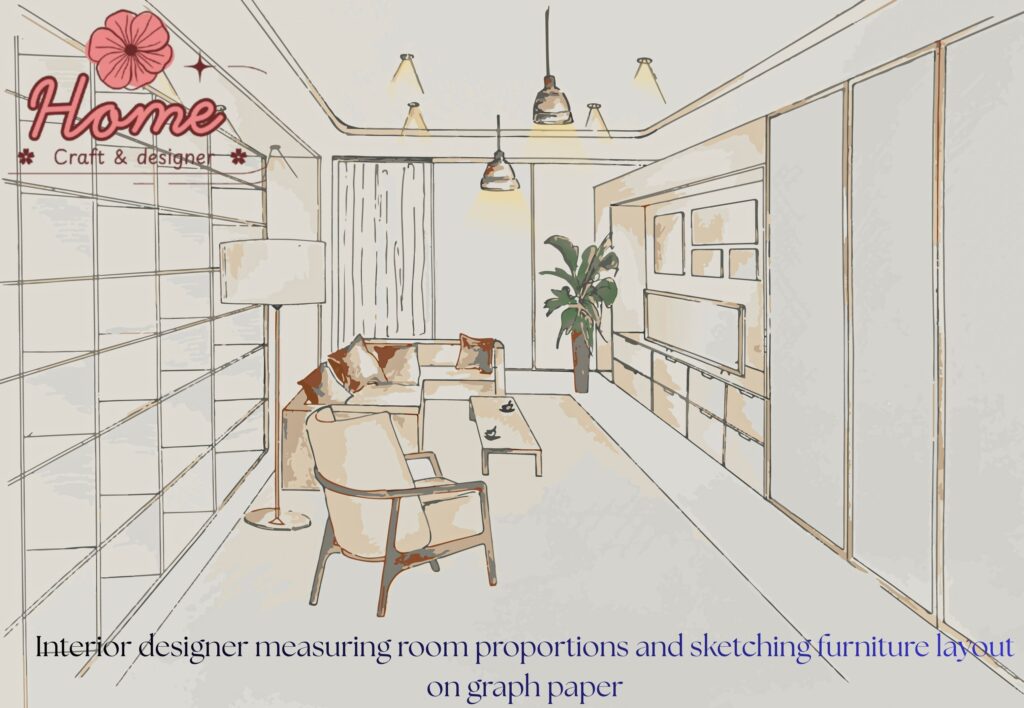
Before purchasing a major piece of furniture, create a scaled floor plan of the room. You can use graph paper or a digital planning tool for this purpose. Place the proposed item on the plan at the correct scale. This helps ensure it fits comfortably within the available space.
As a general rule, a sofa should occupy about two-thirds of the wall behind it. Choose an area rug that is large enough to anchor the entire seating arrangement. Ideally, the front legs of sofas and armchairs should rest on the rug.
When selecting pendant lighting, match the fixture’s size to the table or surface below. For dining tables, choose a pendant with a diameter equal to roughly half the table’s width. Hang the bottom of the shade 75 to 85 centimetres above the tabletop for the best visual balance.
The 60-30-10 Colour Rule: Creating a Balanced Palette
The 60-30-10 colour rule is one of the most practical principles in interior design. It offers a simple framework for creating a cohesive and visually balanced colour palette in any room.
Under this guideline, approximately 60 percent of the palette is assigned to a dominant colour. This colour typically appears on walls, large furniture pieces, and major flooring surfaces.
Around 30 percent of the palette is dedicated to a secondary colour. Designers often use it for accent furniture, curtains, and textiles.
The remaining 10 percent is reserved for an accent colour. This shade adds visual interest through accessories, cushions, artwork, and decorative objects.
This distribution creates visual interest and complexity without overwhelming the eye. It allows each colour to serve a distinct purpose within the overall composition.
The dominant colour provides a consistent and unifying backdrop. The secondary colour adds depth and variation throughout the space. The accent colour introduces moments of contrast, personality, and visual interest.
Applying this rule does not mean that every room must contain exactly three colours. Instead, the visual balance should roughly follow the 60-30-10 ratio. This effect can be achieved with three distinct hues or through tonal variations within a more restrained colour palette.
The Rule of Three: Why Odd Numbers Create Better Compositions
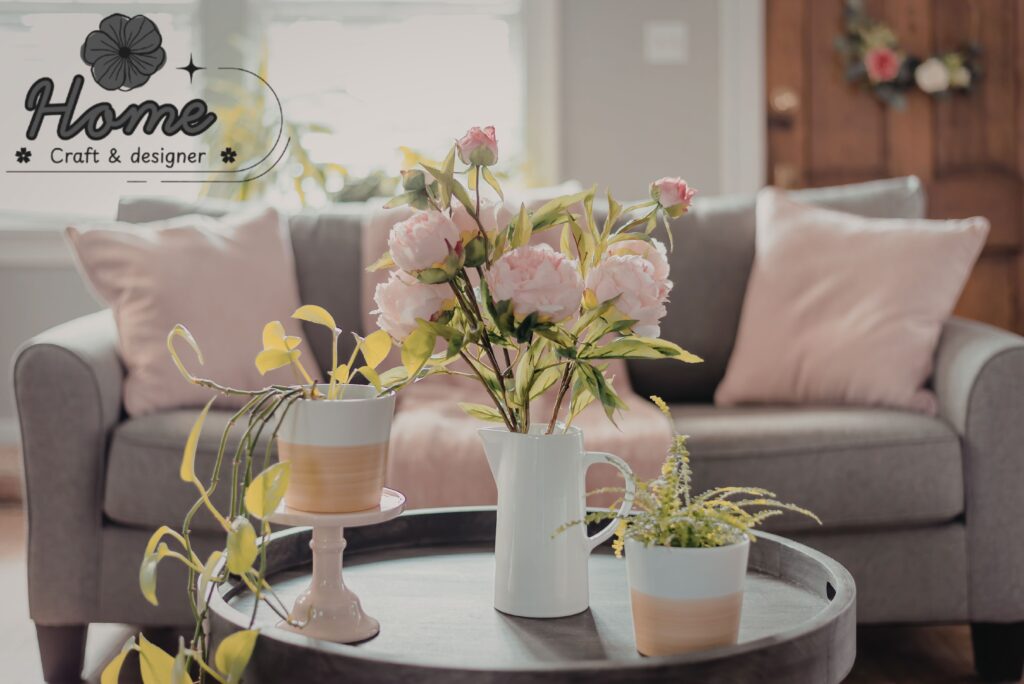
The rule of three is a compositional principle used in visual art, photography, and design. It suggests that arranging objects or design elements in groups of three creates a more visually appealing composition. Such arrangements are often more interesting and memorable than even-numbered groupings.
Odd-numbered arrangements introduce asymmetry. This creates a sense of movement and visual interest. It also helps guide the eye through a space.
Even-numbered arrangements tend to feel more balanced and predictable. While they can be effective, they often appear more static than odd-numbered groupings.
In practical interior design, the rule of three is often used when arranging decorative objects on shelves and surfaces. For example, three vases of varying heights usually create more visual interest than two. The same principle applies to gallery walls, where groups of three artworks can produce a balanced yet dynamic look.
The rule also influences cushion styling on sofas. Three cushions in different sizes and complementary fabrics often feel more inviting than a matching pair. Similarly, table centrepieces tend to appear more engaging when designed around groups of three elements.
This principle is not a strict rule. Instead, it serves as a useful starting point for understanding why some arrangements feel more dynamic and cohesive than others. It also helps designers recreate that sense of balance and visual interest with intention.
Lighting Layers: The Design Rule That Transforms Any Space

Lighting is arguably the most powerful and most frequently mishandled element in residential interior design. The rule that almost every professional designer follows is that every room requires at least three layers of lighting to function optimally: ambient lighting (the general overhead illumination that fills the room), task lighting (directed light for specific functional activities like cooking, reading, or applying makeup), and accent or decorative lighting (lighting used to highlight architectural features, artwork, or objects and to create atmosphere).
Relying solely on a single overhead ceiling light — the default approach in most standard-build homes — results in a flat, unflattering, and atmospherically limited lighting environment that makes even a beautifully decorated room look ordinary. Adding floor lamps, table lamps, under-cabinet lighting, wall sconces, and dimmable controls to the overhead circuit transforms the room’s versatility, allowing the lighting mood to shift from bright and functional during the day to warm and atmospheric in the evening. Installing dimmer switches is one of the lowest-cost, highest-impact upgrades any homeowner can make before or during a renovation.
Flow, Function, and Focal Points: The Three Fs of Great Room Design
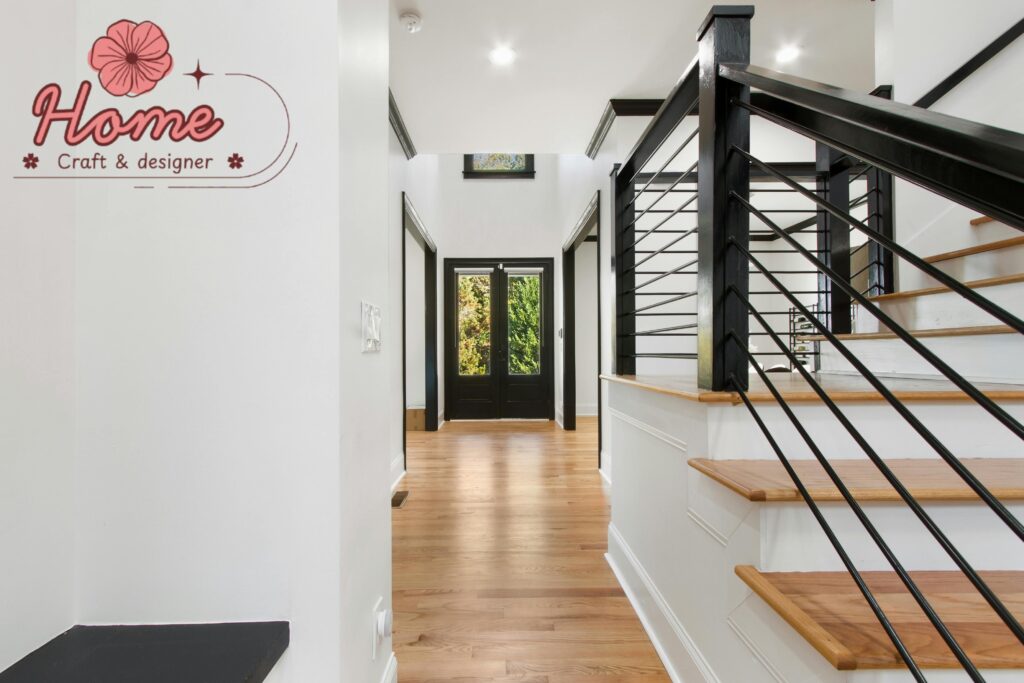
Every successful room design balances three essential qualities that professional designers evaluate before making any aesthetic decisions: flow (how people move through and use the space), function (how effectively the room supports its intended activities), and focal point (the visual anchor that draws the eye and organises the room’s composition). Addressing all three before making decorating choices ensures that the finished room works as beautifully in practice as it looks in a mood board.
Flow is established through furniture placement that creates clear, comfortable pathways of at least 90 centimetres between furniture groups and between furniture and walls. Function is served by ensuring that every piece of furniture and each storage element serves a genuine need for the room’s occupants. The focal point whether a fireplace, a large window with a view, a statement artwork, or a television wall should be identified before any furniture is placed, as it determines the orientation of the seating arrangement and the visual hierarchy of the room. When all three Fs are addressed thoughtfully, the result is a room that feels immediately right to every person who enters it, whether or not they can articulate why.