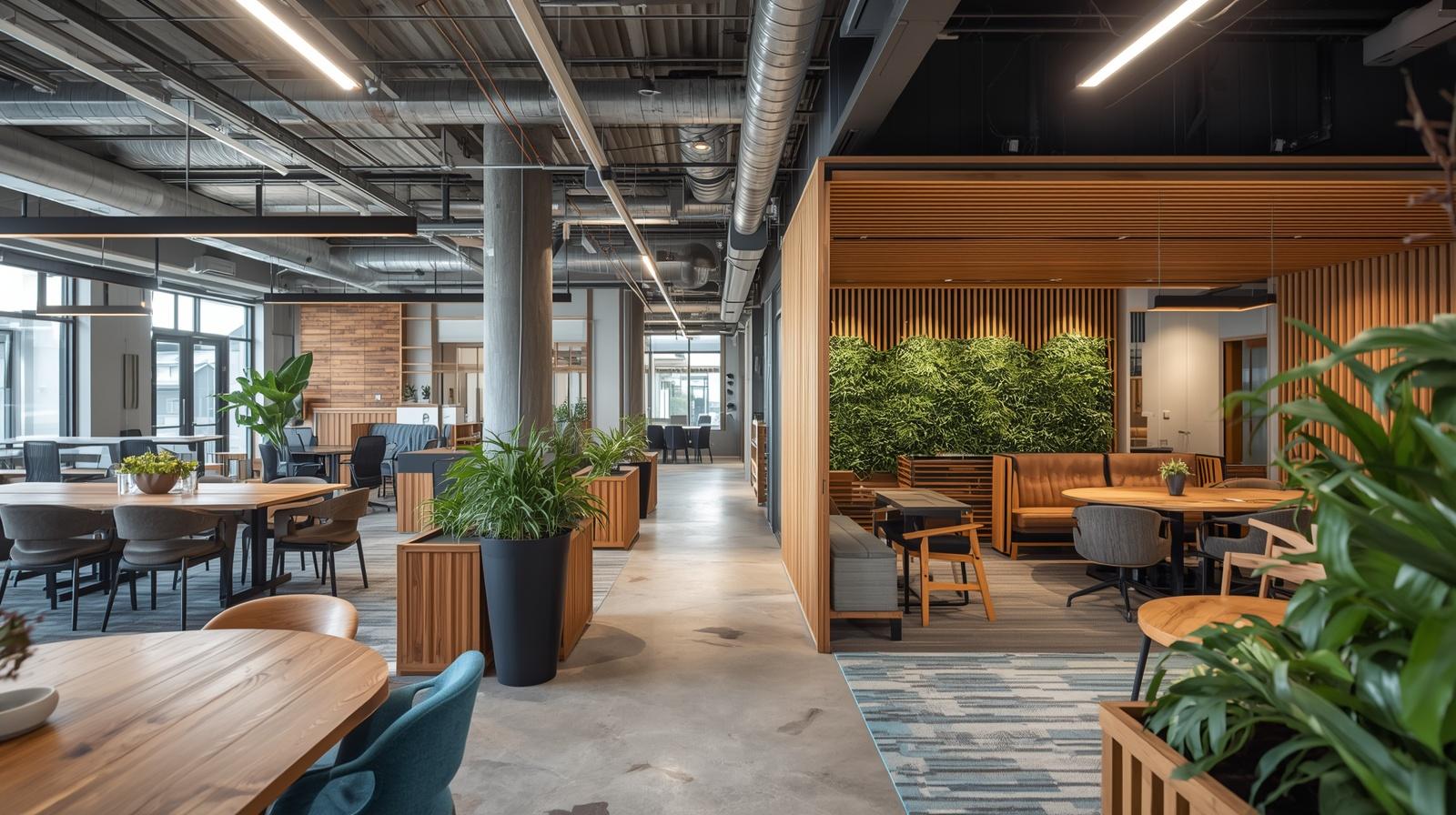
Why Commercial Interior Design Is Undergoing Its Biggest Transformation in Decades
The COVID-19 pandemic fundamentally disrupted the assumptions that had governed Australian workplace design for generations. When millions of knowledge workers demonstrated beyond any reasonable doubt that they could be highly productive away from the office, the traditional open-plan workspace lost its dominant position as the default model for commercial interior design. Employers who want to attract talented employees back to the office must now offer a physically compelling reason to be there: spaces designed with intention, beauty, and an understanding of how different types of work and collaboration actually occur.
Australian businesses are investing heavily in workplace redesigns to meet the demands of this new reality. Today’s most progressive commercial interior design projects in Australia go far beyond upgrading office furniture. Designers are creating carefully planned environments that support diverse work styles, reinforce organisational culture and values, promote the physical and mental wellbeing of employees, and foster meaningful social and collaborative experiences that remote work cannot easily provide.
Activity-Based Working: Designing Spaces for How Work Actually Happens

Activity-Based Working (ABW) the design philosophy that provides a range of different workspace typologies matched to the specific types of work being performed has become the dominant paradigm in Australian commercial interior design. Rather than assigning each employee a fixed desk, ABW environments offer a palette of spaces: quiet focus zones for deep individual work, collaborative tables and project rooms for team-based tasks, informal lounge settings for relaxed meetings and phone calls, social kitchen areas for incidental connection, and private enclosed booths for confidential conversations.
The physical design challenge of ABW is creating a diverse range of space typologies within a single floor plate, each with appropriate acoustic treatment, lighting levels, and furnishing to support its specific function, while maintaining a cohesive aesthetic that communicates the Organisation’s visual identity. Leading Australian workplace designers are responding with sophisticated acoustic design solutions, furniture systems that can be rapidly reconfigured, and a layered approach to lighting that allows each zone to have its own distinct character and functional quality.
Biophilic Design in Australian Commercial Spaces: More Than Just Plants
Biophilic design the integration of natural elements into built environments to satisfy the human need for connection with nature has moved from a residential trend into a central principle of progressive commercial interior design in Australia. The business case for biophilic workplaces is well established: studies consistently show that workers in biophilically designed environments report higher job satisfaction, lower stress levels, greater creativity, and reduced absenteeism compared to those in conventional offices.
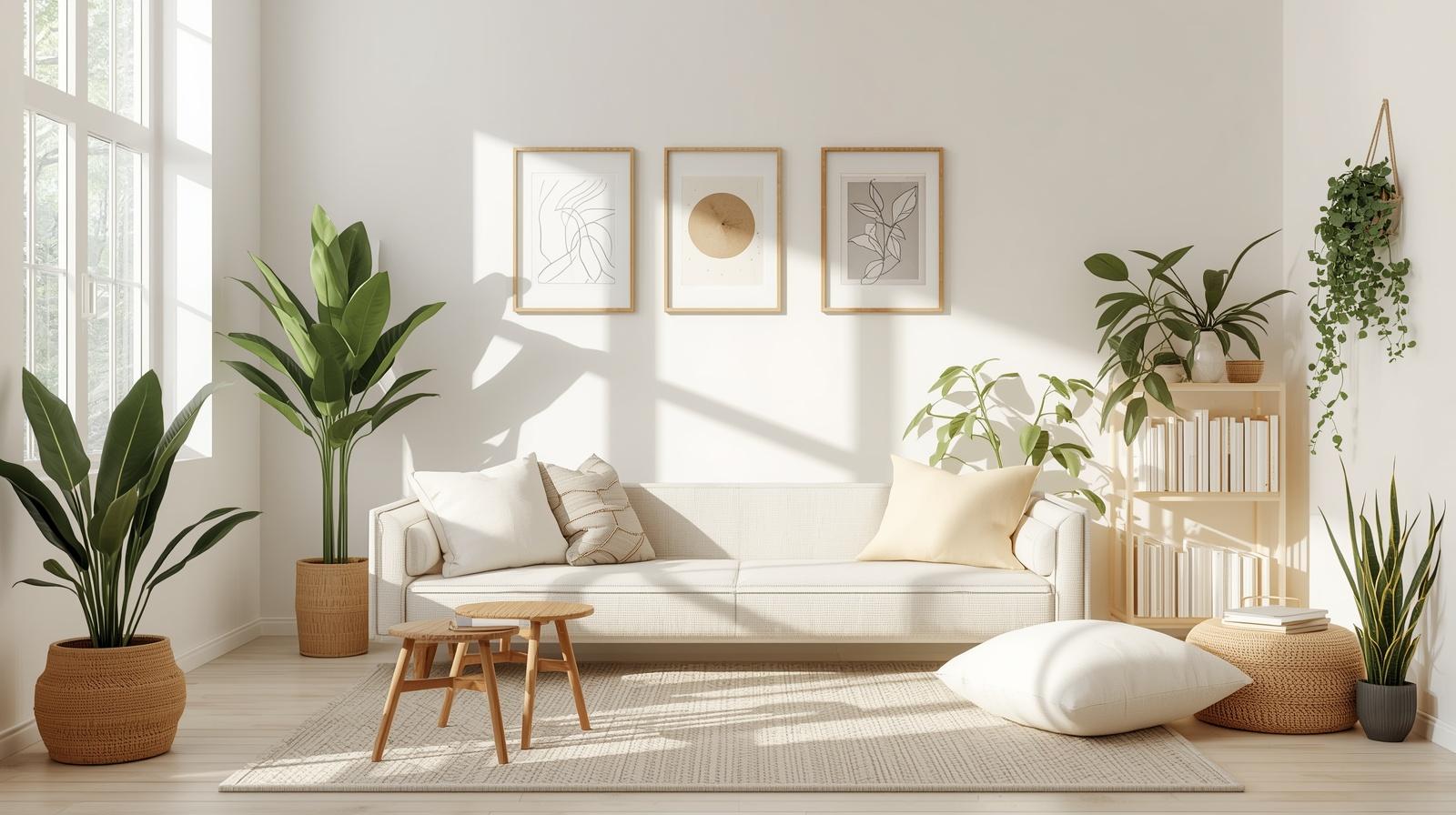
In Australian commercial projects, biophilic design extends well beyond the placement of potted plants on desks. Leading workplace designers are incorporating living plant walls that serve as dramatic interior features and acoustic buffers, internal courtyards and rooftop garden terraces that provide genuine connection to outdoor environments, natural stone, timber, and handcrafted material surfaces that introduce the sensory diversity of the natural world, views to greenery through strategic placement of workstations near windows, and circadian-tuned lighting systems that adjust colour temperature throughout the day to mirror the qualities of natural light.
Hospitality-Influenced Workplace Design: The Office as a Destination

One of the most significant trends in Australian commercial interior design is the deliberate borrowing of design principles, material quality, and spatial generosity from the hospitality sector. The best hotels, restaurants, and members’ clubs have always understood that people choose to visit and return to spaces that feel genuinely pleasurable to inhabit and forward-thinking employers are applying exactly this logic to their workplace design.
In practice, hospitality-influenced workplace design means introducing curated art collections, high-quality material finishes (natural stone, solid timber, premium textiles), barista-quality coffee facilities, lounge furniture of genuine comfort and aesthetic quality, and carefully considered sensory details including ambient scent, sophisticated acoustic design, and warm, layered lighting. Australian commercial interior design studios including Geyer, Carr, Woods Bagot, and HASSELL have pioneered this approach in landmark projects for clients including tech companies, financial services firms, and professional services practices, demonstrating that investment in genuine design quality generates measurable returns in talent attraction, client impression, and employee wellbeing.
Wellness and Wellbeing: Designing Workplaces That Support the Whole Person

Employee wellbeing now drives many commercial interior design decisions in Australia. Companies increasingly recognize both their responsibility to support staff and the business benefits of maintaining a healthy workforce. Healthy, mentally well employees tend to be more productive, more engaged, and less likely to take extended leave. As a result, organizations no longer assess workplace design solely on efficiency and aesthetics. Instead, they also evaluate how effectively a space supports the physical and mental health of the people who use it.
Wellness-oriented workplace design in Australia includes dedicated spaces that support physical movement and exercise. These may include in-building yoga studios, end-of-trip cycling facilities with showers and lockers, standing desk options, and walking meeting routes.
It also incorporates quiet rooms and mindfulness spaces where employees can step away from the stimulation of open-plan work areas. Outdoor terraces and garden spaces provide access to fresh air and natural daylight during the workday.
Nutrition-focused kitchens and cafés further support employee wellbeing by encouraging healthier eating habits.
The WELL Building Standard is an internationally recognised framework that measures how buildings affect human health and wellbeing. An increasing number of Australian employers are pursuing this certification as part of their commitment to workplace wellness and leading design practices.
Sustainability and Adaptive Reuse: The Future of Australian Commercial Design

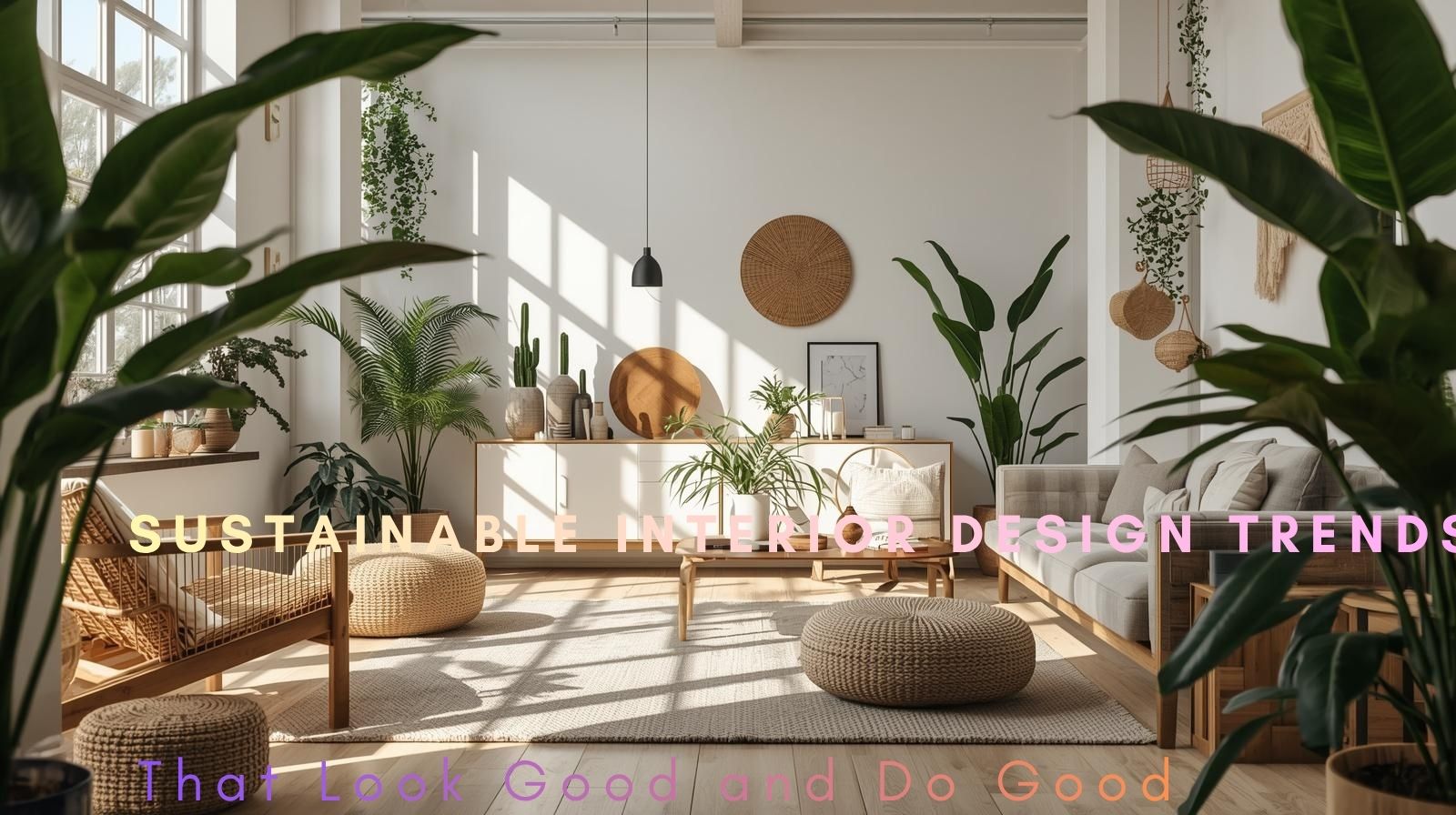
Sustainability is no longer a peripheral consideration in Australian commercial interior design it is a core brief requirement for a growing majority of corporate clients who face internal ESG commitments, external reporting obligations, and competitive pressure to demonstrate environmental responsibility to clients, investors, and prospective employees. Sustainable commercial interior design encompasses material selection (low-embodied-carbon, recycled, and locally sourced materials), energy efficiency (LED lighting, sensor-controlled systems, high-performance glazing), waste minimisation during construction and fit-out, and end-of-life planning for furniture and materials.
Adaptive reuse — the conversion of existing buildings (warehouses, industrial facilities, heritage commercial buildings) into contemporary workplaces — has emerged as one of the most architecturally exciting and environmentally responsible approaches to commercial interior design in Australia. The industrial bones of a converted warehouse, with its generous ceiling heights, exposed concrete and brick, and abundant natural light from large factory windows, provide a characterful and materially authentic backdrop for contemporary commercial fit-outs that would be prohibitively expensive to replicate from scratch in a new-build environment. Australian cities including Melbourne, Sydney, and Brisbane have seen spectacular adaptive reuse commercial projects that demonstrate how environmental responsibility and design excellence are not competing values but genuinely complementary ambitions.