Introduction
Heat pumps are an efficient way to heat and cool your home year-round, but they only perform at their best with regular maintenance. Skipping upkeep doesn’t just reduce efficiency it can shorten the system’s lifespan and lead to expensive repairs down the road. The good news is that many maintenance tasks don’t require a professional technician; with a bit of guidance, homeowners can handle much of the routine care themselves. This guide covers practical DIY heat pump maintenance tips to help you save money while keeping your system running smoothly all year.
Why Regular Heat Pump Maintenance Pays Off
Unlike traditional furnaces or air conditioners that only run part of the year, heat pumps operate year-round, which means more wear and tear over time. Regular maintenance keeps the system running efficiently, reduces strain on components, and helps you avoid the higher energy bills that come with a neglected unit. Homeowners who stay on top of basic maintenance often see fewer breakdowns and get more years of reliable performance out of their heat pump before replacement is needed.

Monthly and Seasonal Maintenance Tasks
Some tasks need attention monthly, while others are only necessary once or twice a year. Knowing the difference keeps your maintenance routine efficient.
| Frequency | Task |
| Monthly | Check and replace/clean air filter |
| Every 3 months | Inspect outdoor unit for debris |
| Twice a year | Clean coils and check refrigerant lines |
| Annually | Schedule a professional inspection |
How to Clean Your Heat Pump’s Outdoor Unit
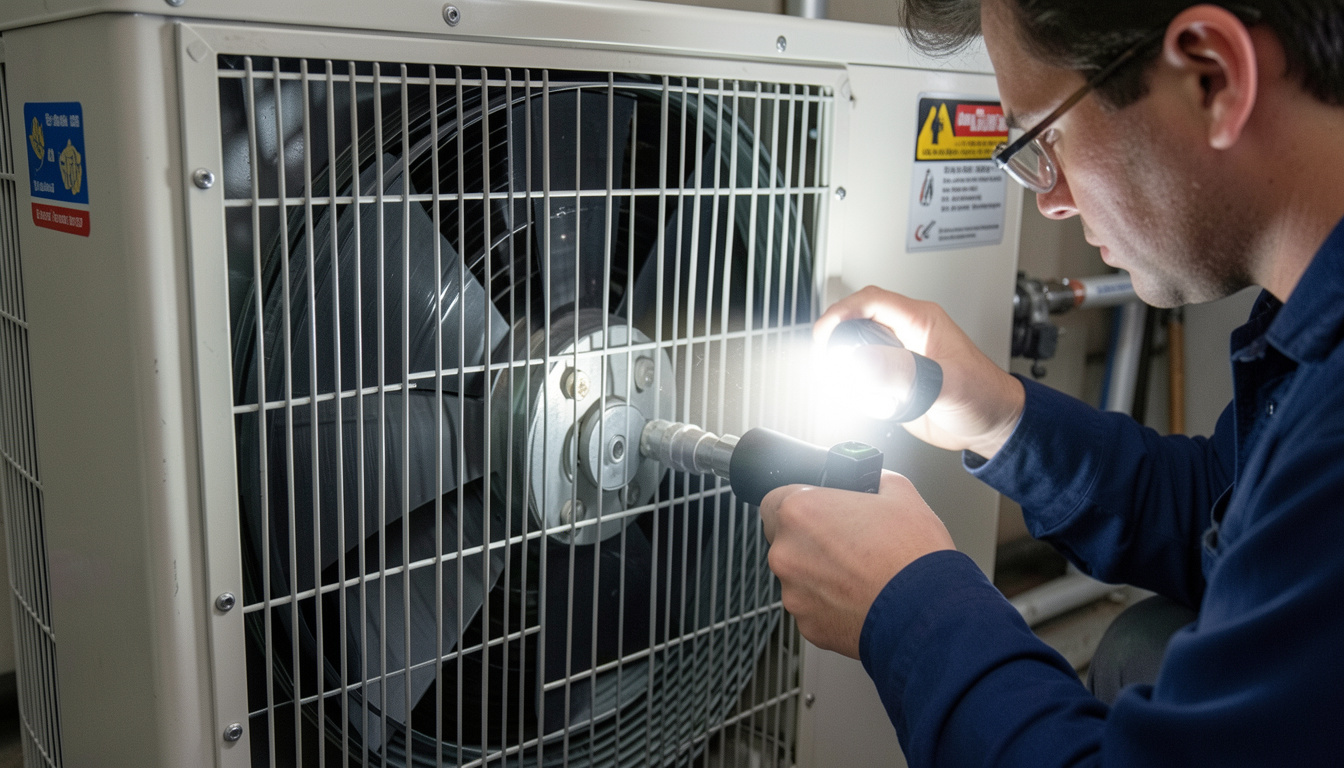
Start by turning off power to the unit at the breaker for safety. Remove leaves, grass clippings, and other debris from around and inside the unit’s housing. Gently rinse the outdoor coils with a garden hose, working from the inside out, to remove dirt and grime without a pressure washer, which can damage the delicate fins. Keep at least two feet of clearance around the unit at all times, and trim back any overgrown vegetation that could restrict airflow and reduce efficiency.

Indoor Maintenance Tasks You Can Handle Yourself
Indoor components also need attention, and several tasks are simple enough for most homeowners to manage without professional help.
| Task | How Often | Difficulty |
| Replace air filter | Monthly | Easy |
| Clean indoor vents/registers | Monthly | Easy |
| Check thermostat settings/batteries | Every 6 months | Easy |
| Clear condensate drain line | Every 3 months | Moderate |
Signs Your Heat Pump Needs Professional Service
While many maintenance tasks are DIY-friendly, certain warning signs call for a professional technician. These include ice buildup on the outdoor unit during mild weather, unusual noises like grinding or squealing, a noticeable drop in heating or cooling performance, and frequent short cycling. Refrigerant issues in particular should always be handled by a licensed technician, since they require specialized equipment and handling. Catching these signs early prevents small issues from becoming expensive repairs or full system failures.

DIY Mistakes to Avoid
- Attempting to handle refrigerant yourself without proper certification
- Using a pressure washer on delicate outdoor coils
- Forgetting to turn off power before cleaning the unit
- Ignoring the condensate drain line until it clogs
- Skipping filter changes because “it still looks okay”
Practical DIY Heat Pump Maintenance Tips
- Set a monthly reminder to check your air filter
- Keep the outdoor unit clear of debris and at least two feet from obstructions
- Clean coils twice a year, in spring and fall
- Check the condensate drain line for clogs every few months
- Schedule one professional inspection annually, even if you handle routine care yourself
- Keep a maintenance log to track what’s been done and when
Frequently Asked Questions
How often should I change my heat pump’s air filter?
Most homeowners should check the filter monthly and replace or clean it every 1–3 months, depending on filter type and usage.
Can I clean my heat pump’s coils myself?
Yes, gently rinsing the outdoor coils with a garden hose is a safe DIY task, but avoid pressure washers, which can damage the fins.
Why is my heat pump making a strange noise?
Unusual noises can indicate loose components, debris in the unit, or a mechanical issue, and typically warrant a professional inspection.
Is ice on my heat pump normal?
A light frost during defrost cycles is normal, but persistent or heavy ice buildup usually signals a problem that needs professional attention.
How often should a heat pump have professional maintenance?
An annual professional inspection is generally recommended, even if you handle routine DIY maintenance throughout the year.
Can DIY maintenance really save money?
Yes, regular DIY upkeep like filter changes and coil cleaning helps the system run efficiently, reducing energy costs and preventing costly repairs.
Conclusion
Keeping your heat pump running efficiently doesn’t require a professional for every task. By handling routine maintenance like filter changes, coil cleaning, and outdoor unit upkeep yourself, you can reduce energy costs and extend the life of your system between professional visits. Just remember that certain tasks, especially anything involving refrigerant, are best left to licensed technicians. With a consistent DIY maintenance routine and an annual professional check-up, your heat pump can deliver reliable, efficient comfort for years to come.