
Introduction
A toilet is one of the most frequently used fixtures in any home, yet it’s often overlooked until something goes wrong. Regular toilet maintenance not only prevents inconvenient breakdowns but also helps conserve water and avoid costly repairs down the line.
This toilet maintenance checklist walks homeowners through the tasks worth doing monthly, seasonally, and annually, along with the tools needed and answers to common questions about keeping a toilet running efficiently.
Why Regular Toilet Maintenance Matters
A neglected toilet can waste significant amounts of water through a slow, unnoticed leak, or fail at the worst possible moment. Internal components like the flapper, fill valve, and flush valve wear out gradually, often without obvious symptoms until the toilet runs constantly or doesn’t flush properly.
Regular maintenance catches these small issues early, extends the lifespan of the fixture, and can noticeably lower a household’s water bill over time.
Monthly Toilet Maintenance Tasks

A few simple monthly checks go a long way toward preventing bigger problems. Add a few drops of food coloring to the tank and wait fifteen minutes without flushing; if color appears in the bowl, the flapper is leaking and needs replacement.
Wipe down the base of the toilet and check for any moisture, which can indicate a failing wax ring seal. Give the tank interior a light cleaning with a non-abrasive cleaner to prevent mineral buildup on internal components.
Toilet Maintenance Checklist by Frequency
| Frequency | Task | Purpose |
| Monthly | Dye tank test for flapper leaks | Detect silent leaks early |
| Monthly | Check base for moisture | Catch wax ring failures |
| Quarterly | Inspect supply line and shutoff valve | Prevent sudden leaks |
| Quarterly | Clean jets under the rim | Maintain flush strength |
| Annually | Test flush valve and fill valve function | Ensure efficient flushing |
| Annually | Check bolts and tank connections for tightness | Prevent wobbling or leaks |
Seasonal and Annual Toilet Inspection Points

Beyond monthly checks, certain tasks are best done on a seasonal or annual basis. Before winter, insulate any exposed supply lines in unheated areas like basements to prevent freezing. Once a year, remove the tank lid and inspect the flapper, fill valve, and overflow tube for mineral deposits or cracking rubber, replacing components as needed.
Annual inspection is also the time to check that the toilet is bolted securely to the floor, since a wobbling toilet can eventually damage the wax ring seal and cause leaks.
Common Toilet Problems and Their Fixes
| Problem | Likely Cause | Recommended Fix |
| Toilet runs continuously | Worn flapper or fill valve | Replace flapper or fill valve |
| Weak or incomplete flush | Clogged rim jets or low water level | Clean jets, adjust water level |
| Toilet rocks slightly | Loose floor bolts | Tighten bolts, replace wax ring if needed |
| Water pools at base | Failing wax ring seal | Replace wax ring |
| Tank refills slowly | Partially closed shutoff valve | Fully open supply valve |
Tools Every Homeowner Should Keep for Toilet Maintenance

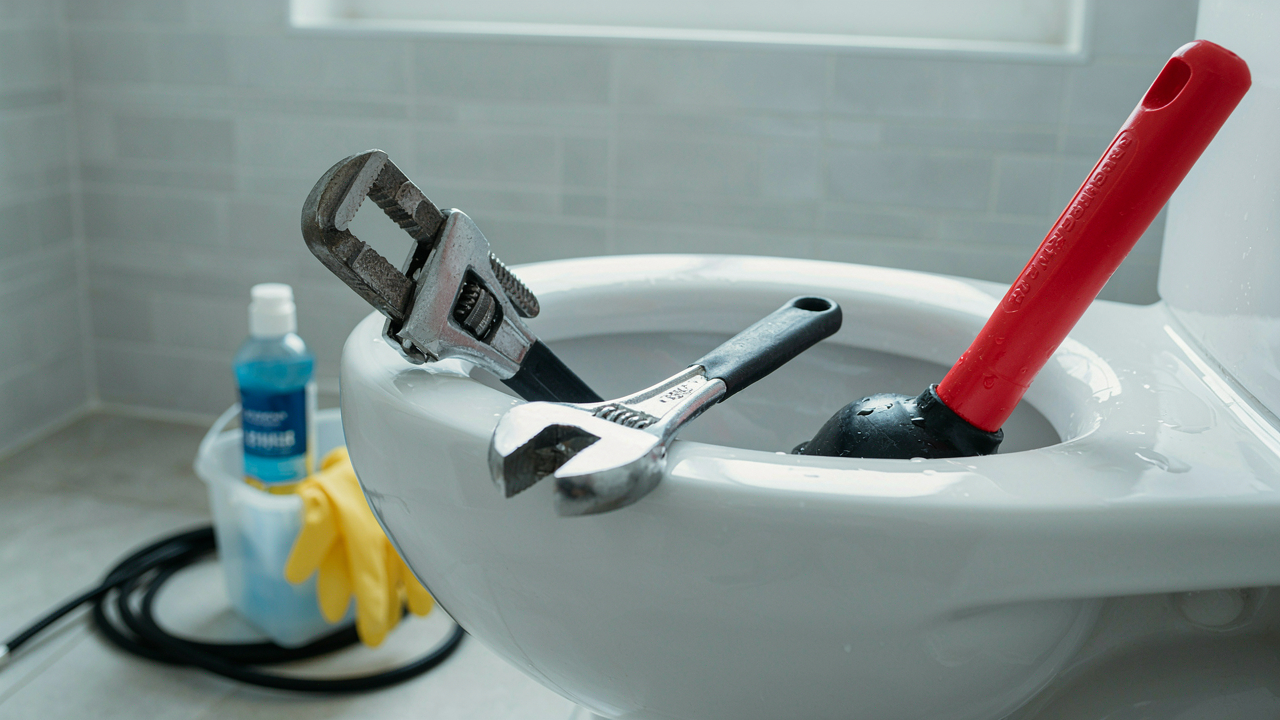
A small, dedicated toolkit makes toilet maintenance far easier. An adjustable wrench handles supply line and bolt adjustments, while a flexible toilet brush with an angled head cleans effectively under the rim.
Keep a spare flapper and fill valve on hand, since these are the most commonly replaced parts and having them ready avoids a delay when a leak is discovered. A plunger with a flange design, rather than a flat cup, clears clogs more effectively in most modern toilets.
Tips for Keeping Your Toilet Running Efficiently
- Avoid flushing wipes, even those labeled flushable, since they rarely break down properly
- Use the dye test at least once a month to catch silent leaks before they raise your water bill
- Replace the flapper every four to five years even if it seems to be working
- Keep the shutoff valve accessible and test it periodically so it doesn’t seize up over time
- Avoid drop-in tank cleaning tablets that contain bleach, which can degrade rubber components
- Address a running toilet immediately, since it can waste hundreds of gallons of water per day
Frequently Asked Questions
1. How often should I replace toilet parts like the flapper?
Most flappers last three to five years before rubber degradation causes leaks, so proactive replacement is a good habit even without visible symptoms.
2. Why does my toilet keep running after flushing?
This is usually caused by a worn flapper that doesn’t seal properly, or a fill valve that isn’t shutting off at the correct water level.
3. Is it normal for a toilet to rock slightly when someone sits down?
No, a rocking toilet usually indicates loose floor bolts or a failing wax ring, both of which should be addressed to prevent water damage.
4. Can I use bleach tablets to clean my toilet tank?
Bleach-based tank tablets can deteriorate rubber flappers, seals, and fill valve components over time, so a non-abrasive tank cleaner is generally safer.
5. How do I check for a hidden toilet leak?
The dye test, where food coloring is added to the tank and checked in the bowl after fifteen minutes without flushing, is the simplest way to detect a hidden leak.
6. What is the average lifespan of a toilet?
A well-maintained toilet can last twenty-five years or more, though internal components like flappers and fill valves typically need replacement every few years.
Conclusion
Toilet maintenance doesn’t require extensive plumbing knowledge, just a consistent routine of small checks throughout the year. From a simple monthly dye test to an annual inspection of bolts and seals, these habits catch problems early and keep water bills in check. Following this toilet maintenance checklist helps homeowners avoid unexpected leaks, maintain efficient flushing, and get the longest possible lifespan out of their toilet.


1 Comment
[…] It is used every day, often by several people, and small problems can quickly become frustrating. An outdated vanity may not provide enough storage. Poor lighting can make simple tasks difficult. An old bathtub may be uncomfortable to access. Cracked flooring, inadequate ventilation, or a leaking fixture can turn a cosmetic issue into a maintenance problem. […]