
Introduction
A bathroom is one of the hardest-working rooms in a home.
It is used every day, often by several people, and small problems can quickly become frustrating. An outdated vanity may not provide enough storage. Poor lighting can make simple tasks difficult. An old bathtub may be uncomfortable to access. Cracked flooring, inadequate ventilation, or a leaking fixture can turn a cosmetic issue into a maintenance problem.
That is why a good bathroom remodel should be about more than choosing attractive tiles.
The best improvements combine comfort, functionality, durability, and practical design. If you also plan to sell your home someday, thoughtful upgrades can make the bathroom more appealing to future buyers. However, the financial return of a remodel varies depending on the location, project size, materials, workmanship, and local housing market.
You do not necessarily need a luxury bathroom to create a better space. In many cases, carefully selected improvements can make a noticeable difference without changing the entire room.
Here are seven bathroom remodeling ideas worth considering.
Quick Highlights
If you want a quick starting point, consider these seven improvements:
- Upgrade the shower or bathing area
- Install a practical vanity with better storage
- Improve bathroom lighting
- Choose durable and easy-to-maintain flooring
- Improve ventilation and moisture control
- Add accessibility and safety features
- Refresh the finishes, fixtures, and overall design
The right combination depends on your bathroom’s current condition, your budget, and how your household uses the space.
1. Upgrade the Shower or Bathing Area
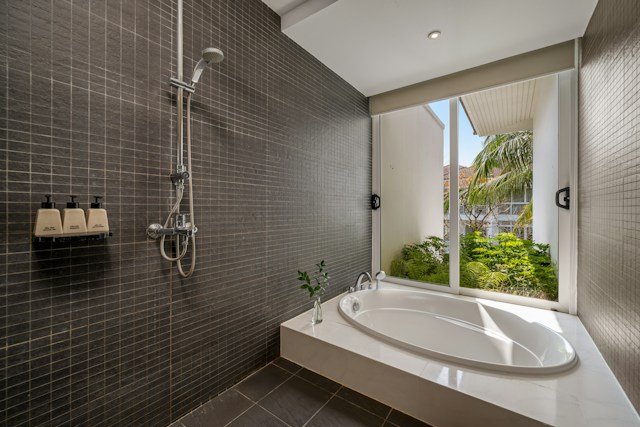
The shower is often one of the most important parts of a bathroom.
If your current shower feels cramped, difficult to clean, outdated, or uncomfortable to use, upgrading this area can improve the room considerably.
A walk-in shower is one option to consider, particularly when accessibility and easy entry are priorities. Current remodeling guidance also highlights walk-in showers as a popular bathroom improvement.
Think about how you use the shower
Before choosing a design, consider:
- How much space you actually have
- Whether you prefer a tub or shower
- Who uses the bathroom
- Whether accessibility may become more important later
- How easy the surfaces will be to clean
- Where shampoo and toiletries will be stored
- Whether the existing plumbing can remain in place
A large shower is not automatically better.
A well-planned shower with the right dimensions, storage, lighting, and fixtures can be more useful than an oversized space filled with unnecessary features.
Consider a built-in niche
A shower niche can provide dedicated storage for shampoo, soap, and other products.
It keeps bottles off the floor and can make the shower look cleaner.
Think about long-term use
If you are remodeling a bathroom that you expect to use for many years, consider features that can make the space easier to use as your needs change.
Grab bars, handheld showerheads, comfortable controls, and low-threshold shower access can be useful depending on the household.
This type of planning is sometimes called future-proofing because it considers both current and future needs.
2. Install a Vanity That Improves Storage and Comfort
A bathroom vanity has to do several jobs at once.
It provides a sink, storage, countertop space, and an important visual element.
An old pedestal sink may look attractive in a very small bathroom, but it offers little storage. If your bathroom is constantly cluttered with toiletries, towels, cleaning supplies, and personal items, a properly sized vanity could make everyday life easier.
What makes a good bathroom vanity?
Look for:
- Adequate drawer space
- Useful cabinet storage
- A durable countertop
- Easy-to-clean surfaces
- Appropriate height
- A size that fits the room
- Enough clearance for doors and drawers
Do not choose the largest vanity that fits.
A vanity that is too large can make a bathroom feel cramped and interfere with movement.
Double vanity or single vanity?
A double vanity can be useful in a primary bathroom shared by two people.
However, it is not automatically the right choice.
If installing two sinks leaves almost no countertop space or makes the room difficult to navigate, one well-designed sink may be more practical.
The goal is to improve the way the room works rather than simply adding features because they are popular.
3. Improve the Lighting
Good bathroom lighting can change the way the entire room feels.
It also affects everyday tasks such as shaving, applying makeup, grooming, cleaning, and getting ready for work.
Many older bathrooms depend on a single ceiling fixture. This can create shadows around the mirror and leave other areas poorly illuminated.
A better approach is to combine different types of lighting.
Ambient lighting
This provides general illumination throughout the room.
Task lighting
This is particularly useful around the vanity and mirror.
Wall-mounted fixtures or appropriately positioned lighting can reduce shadows on the face.
Accent lighting
Accent lighting can highlight architectural features, shelving, artwork, or other design elements.
Under-vanity lighting
Low-level lighting beneath a vanity can provide gentle illumination at night without turning on bright overhead lights.
This Old House identifies lighting as an important part of bathroom remodeling, while Angi also notes that lighting upgrades can have a significant impact on the appearance and feel of a bathroom.
Do not forget electrical safety
Bathrooms combine electricity and moisture, so electrical work should be planned carefully and completed according to applicable local requirements.
For major electrical changes, use a qualified professional rather than treating the job as a casual DIY project.
4. Choose Durable, Comfortable Flooring
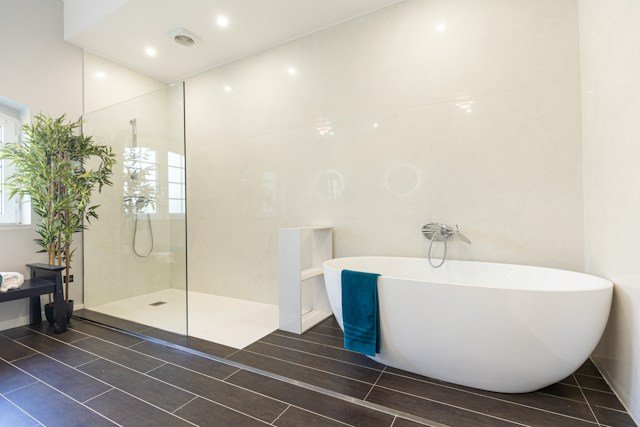
Bathroom floors deal with moisture, spills, cleaning products, and frequent foot traffic.
That means appearance should not be your only consideration when choosing flooring.
Think about:
- Water resistance
- Slip resistance
- Cleaning requirements
- Durability
- Comfort
- Installation requirements
- Long-term maintenance
Tile remains a common bathroom flooring choice, but there are many styles and materials available.
The right option depends on your budget and how the room is used.
What about heated floors?
Radiant floor heating can make a bathroom more comfortable, particularly in colder climates.
Stepping onto a warm floor after a shower can be a small luxury that you appreciate every day.
However, heated flooring adds installation cost and complexity. It should be evaluated as part of the overall renovation budget rather than treated as an essential feature.
Don’t choose flooring based only on trends
A dramatic pattern may look fantastic in a showroom, but bathroom flooring is something you may live with for years.
If you are also thinking about future resale, a durable and broadly appealing design may be easier to live with than an extremely personalized style.
5. Improve Ventilation and Moisture Control
This is one of the less glamorous bathroom improvements, but it can be one of the most important.
Bathrooms naturally produce moisture.
Hot showers and baths increase humidity, and without adequate ventilation, moisture can contribute to problems such as condensation, mildew, damaged finishes, and other moisture-related issues.
A bathroom remodel is a good opportunity to evaluate the ventilation system.
Check your exhaust fan
Ask:
- Is the fan loud?
- Does it remove moisture effectively?
- Does it run long enough after showers?
- Is it appropriately sized for the room?
- Does it vent properly?
If you regularly notice condensation on mirrors, walls, or windows long after someone has showered, ventilation deserves attention.
Repair moisture problems before cosmetic work
There is little value in installing beautiful new finishes over an unresolved moisture problem.
Angi recommends addressing repairs such as mold, leaks, cracked tile, and inadequate ventilation before focusing heavily on purely aesthetic upgrades.
This is an important remodeling principle:
Fix the problem underneath before improving what is on top
6. Add Safety and Accessibility Features
A comfortable bathroom should also be safe.
This becomes especially important if you plan to remain in the home for many years, have older family members living with you, or simply want a bathroom that is easier to use.
Accessibility improvements do not have to make a bathroom look institutional.
Many modern products are designed to blend safety with attractive design.
Consider:
- Grab bars
- Non-slip flooring
- A handheld showerhead
- A low-threshold shower
- A built-in shower seat
- Easy-to-reach controls
- Good nighttime lighting
- Wider clearances where practical
- Lever-style faucet handles
A walk-in or curbless shower can make entry easier for many users.
A shower seat can provide additional comfort.
Grab bars can offer support where needed.
Plan for the future
Even if everyone in your household is currently young and active, thinking ahead can prevent expensive modifications later.
A bathroom renovation may be an opportunity to make the space more adaptable without sacrificing its appearance.
Current bathroom remodeling guidance increasingly emphasizes accessibility and universal-design considerations as part of long-term planning.
7. Refresh the Finishes and Overall Design
Sometimes your bathroom does not need a complete structural remodel.
It simply needs to look fresh again.
A combination of smaller improvements can create a surprisingly large transformation.
Consider updating:
- Wall paint
- Cabinet color
- Mirror
- Faucet
- Shower fixtures
- Cabinet hardware
- Towel bars
- Toilet paper holder
- Light fixtures
- Shower door
- Backsplash
- Decorative accessories
A fresh coat of suitable bathroom paint can be one of the simplest changes. This Old House describes paint as a relatively quick and affordable way to brighten a bathroom and recommends choosing an appropriate finish for moisture-prone conditions.
Choose a coordinated palette
You do not need every fixture to match perfectly.
Instead, aim for visual coordination.
For example, you could combine:
- Neutral wall color
- Simple tile
- Wood-tone vanity
- Complementary metal fixtures
- A large mirror
- Warm lighting
This creates a timeless foundation that can be changed later with towels, artwork, plants, and other accessories.
How to Decide Which Bathroom Improvements Matter Most
You do not have to complete all seven upgrades.
Start by identifying the biggest problem in the room.
If the bathroom is uncomfortable
Focus on the shower, vanity, storage, and temperature.
If it looks outdated
Start with paint, fixtures, lighting, hardware, mirror, and tile.
If it is difficult to keep clean
Look at shower surfaces, flooring, ventilation, storage, and easy-to-maintain finishes.
If storage is the problem
Prioritize the vanity, medicine cabinet, shelving, and built-in niches.
If safety is a concern
Consider shower access, grab bars, flooring, lighting, and accessible controls.
If you may sell the home
Prioritize repairs and practical improvements before highly personalized luxury features.
The right remodeling strategy depends on your home’s condition and your goals.
Bathroom Remodeling Ideas for Different Budgets
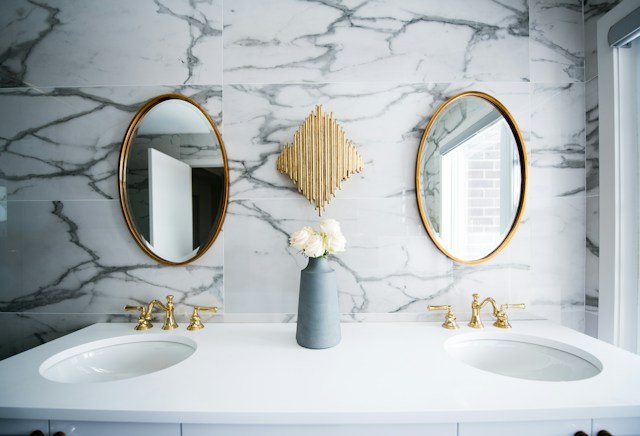
A bathroom renovation can be scaled to suit your available budget.
Smaller Budget
You might focus on:
- Paint
- New mirror
- New hardware
- Updated faucet
- Better lighting
- New accessories
- Improved organization
These changes can refresh the room without major construction.
Medium Budget
You might add:
- New vanity
- New flooring
- Updated shower fixtures
- New backsplash
- Improved ventilation
- Better storage
Larger Budget
A more extensive remodel might include:
- New shower
- New tub
- Relocated plumbing
- Custom vanity
- New flooring
- New lighting
- Accessibility improvements
- New electrical work
- Full replacement of outdated finishes
Current 2026 estimates vary considerably because bathroom projects range from relatively simple cosmetic updates to major structural renovations. Angi currently places typical remodeling costs in a broad range depending on project scope, while This Old House also emphasizes that plumbing changes, material choices, and unexpected conditions can significantly affect the final price.
For that reason, use online cost figures only as rough planning information and obtain project-specific estimates before committing to major work.
How to Protect Your Remodeling Budget
A beautiful bathroom can become unnecessarily expensive when decisions are made without a clear plan.
Here are some ways to keep control of the project.
Keep Plumbing Where It Is When Possible
Moving toilets, sinks, showers, and other plumbing fixtures can increase labor and project complexity.
If the existing layout works, keeping plumbing in approximately the same locations may help control costs.
Prioritize Repairs
Fix leaks, damaged flooring, moisture problems, cracked tile, and ventilation issues before spending heavily on decorative features.
Choose Materials Carefully
The most expensive material is not automatically the best choice.
Look for products that provide the combination of durability, appearance, maintenance, and cost that fits your needs.
Leave Room for Unexpected Problems
Older bathrooms can hide issues behind walls and under floors.
A sensible budget should include some contingency rather than spending every available dollar on fixtures and finishes.
This is particularly important during demolition, when hidden plumbing or structural issues may be discovered.
Bathroom Features That May Not Be Worth the Extra Cost
More expensive does not always mean more useful.
Before adding a luxury feature, ask whether you will actually use it.
For example, certain high-maintenance features may not provide the practical benefit you expect.
Angi specifically notes that some luxury bathroom upgrades, such as jet tubs and steam showers, can have lower resale appeal because of maintenance concerns.
That does not mean these features are always a bad choice.
If a feature gives you genuine enjoyment and fits your budget, personal value matters.
The important thing is to understand the trade-off.
A bathroom remodel should serve the people who actually live in the home.
When Should You Hire a Professional?
Simple cosmetic projects may be suitable for experienced DIY homeowners.
Painting, replacing some hardware, and installing certain accessories can be relatively straightforward.
More complicated work is different.
Consider professional help for:
- Plumbing changes
- Electrical work
- Shower installation
- Waterproofing
- Major tile work
- Structural changes
- Flooring installation
- Moving fixtures
- Complex accessibility modifications
Bathrooms have little room for mistakes because water can cause expensive damage.
Angi and This Old House both emphasize professional help for complex plumbing, electrical, and remodeling work.
A qualified professional can also help identify problems you may not notice before construction begins.
Common Bathroom Remodeling Mistakes to Avoid
Mistake 1: Choosing Style Before Function
A beautiful bathroom that is difficult to use is still a poorly planned bathroom.
Start with function.
Mistake 2: Ignoring Ventilation
Moisture problems can damage an otherwise attractive renovation.
Mistake 3: Overloading a Small Bathroom
Too many large fixtures can make a small bathroom feel even smaller.
Mistake 4: Forgetting Storage
A beautiful bathroom without enough storage can quickly become cluttered.
Mistake 5: Choosing Materials Without Considering Maintenance
Ask how much cleaning and maintenance a surface will require.
Mistake 6: Spending the Entire Budget on Fixtures
Keep money available for labor, installation, repairs, and unexpected problems.
Mistake 7: Following Every Trend
Choose a design you can comfortably live with for years.
Frequently Asked Questions
What bathroom remodel adds the most value?
There is no single upgrade that produces the same result in every home. Practical improvements such as fixing damage, improving functionality, updating fixtures, increasing storage, and creating a more usable shower can make the bathroom more appealing. Actual resale impact varies by market and project.
Is a walk-in shower a good bathroom upgrade?
A walk-in shower can improve accessibility, ease of entry, and the overall appearance of a bathroom. Whether it is the right choice depends on the available space and household needs.
Should I keep a bathtub during a bathroom remodel?
That depends on your household and other bathrooms in the home. If your home has multiple bathrooms, you may have more flexibility. If the remodeled bathroom is the only full bathroom, carefully consider how removing the tub would affect your household and future buyers.
How can I make a small bathroom feel bigger?
Use space-efficient fixtures, good lighting, appropriate storage, large mirrors, and visually simple finishes. Glass shower doors and light colors can also help create a more open feeling.
Is bathroom remodeling worth it?
It can be worthwhile when it improves comfort, solves functional problems, addresses maintenance issues, or updates an outdated space. Resale benefits depend on the project and local market, so remodeling should not be viewed as a guaranteed financial return.
How long does a bathroom remodel take?
The timeline varies significantly depending on whether the project is cosmetic or involves demolition, plumbing, electrical work, tile installation, and other construction. Material availability and unexpected problems can also create delays.
Final Thoughts
The best bathroom remodeling ideas are not necessarily the most expensive ones.
A successful remodel starts by asking a simple question:
What does this bathroom need to work better for the people who use it?
Maybe the shower is uncomfortable. Maybe storage is inadequate. Perhaps the lighting is poor, the flooring is damaged, or the room simply looks dated.
Address those problems first.
Then use finishes, fixtures, colors, lighting, and accessories to create a space that feels comfortable and cohesive.
If resale value matters, focus on practical improvements that make the bathroom appealing to a broad range of homeowners rather than spending heavily on highly personalized features. Current remodeling guidance consistently emphasizes repairs, functionality, storage, lighting, accessibility, and durable design as important considerations.
Most importantly, remember that you are not remodeling a bathroom just to make it look good in photographs.
You are creating a room that you may use every morning, every evening, and countless times in between.
When comfort, function, durability, and design work together, even a modest bathroom renovation can make a meaningful difference to everyday life.


1 Comment
[…] is why successful bathroom remodeling starts before […]