
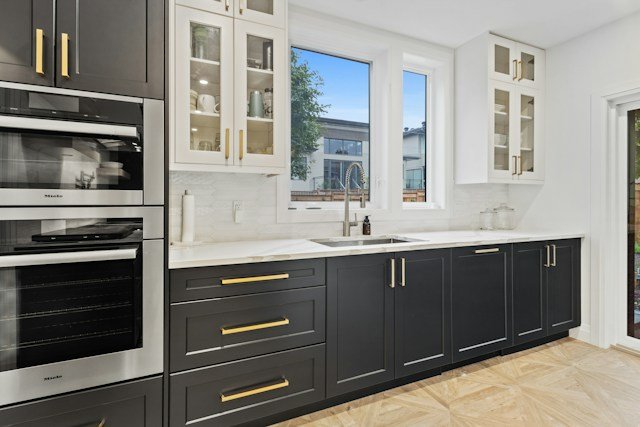
Introduction
Kitchen cabinets take a lot of abuse.
They are opened and closed every day, exposed to cooking grease and moisture, and constantly touched by hands. After years of use, even good-quality cabinets can begin to look tired. Doors may become scratched, finishes can fade, hinges may loosen, and an old color can make the entire kitchen feel dated.
That does not automatically mean you need a completely new kitchen.
In many homes, cabinet refacing can provide a practical middle ground between living with worn cabinets and paying for a full cabinet replacement. Refacing generally keeps the existing cabinet boxes while updating the visible surfaces, doors, and drawer fronts.
The important question is whether your existing cabinet structure is still worth keeping.
If the boxes are solid, the layout works, and the main problems are appearance and moderate wear, refacing may make sense. If the cabinets are badly damaged, warped, affected by moisture, or poorly designed for the way you use the kitchen, replacement may be more appropriate.
Here is how to tell the difference.
Quick Signs Your Kitchen Cabinets May Need Refacing
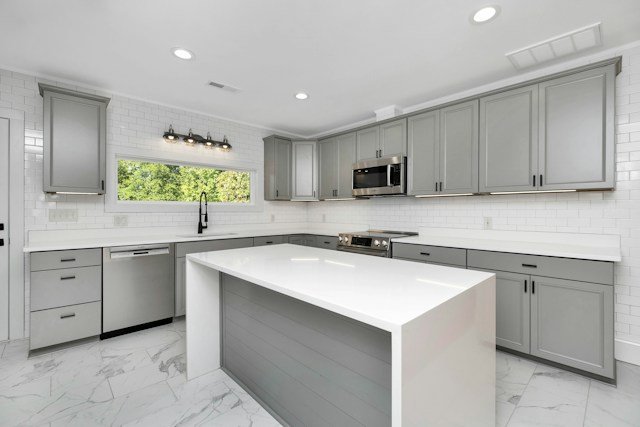
Before getting into the details, look for these common signs:
- The cabinet doors look old but the boxes remain solid.
- The finish is scratched, faded, stained, or outdated.
- Doors and drawer fronts are the biggest visual problem.
- You like your current kitchen layout.
- Your cabinets provide enough storage for your needs.
- You want a different color, style, or material.
- Hardware looks old or no longer matches the kitchen.
- You want a noticeable makeover without replacing every cabinet box.
- Cabinet interiors are generally in good condition.
- The kitchen needs a cosmetic update rather than a structural redesign.
These signs point toward refacing rather than automatically replacing the cabinets.
1. Your Cabinet Boxes Are Still Strong
The first and most important thing to inspect is the cabinet box.
Cabinet refacing does not rebuild the basic structure of your kitchen cabinetry. Instead, the existing framework is retained while the visible surfaces are updated. This is why the condition of the boxes matters so much.
Open several cabinets and inspect them carefully.
Look for:
- Loose joints
- Cracked panels
- Sagging shelves
- Water damage
- Swollen particleboard
- Severe warping
- Mold or mildew
- Cabinets pulling away from the wall
- Structural movement
A few scratches or small cosmetic imperfections do not necessarily mean the cabinets need to be replaced.
However, significant structural damage is a different matter.
If the cabinet boxes are weak or badly damaged, covering their exterior with new material will not solve the underlying problem.
2. The Doors Look Worse Than the Cabinet Structure
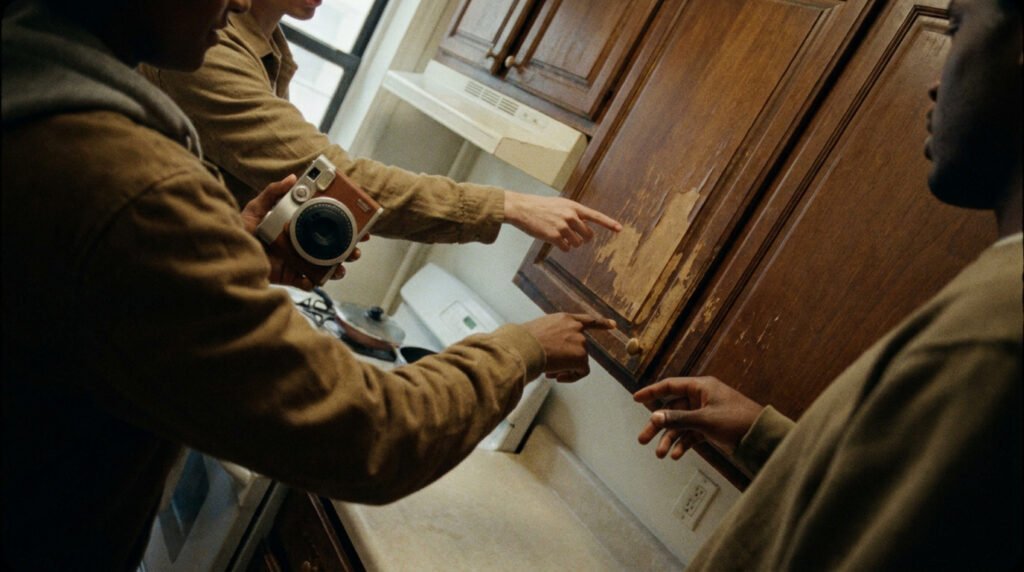
One of the clearest signs that refacing could be appropriate is when the doors and drawer fronts look worn while the cabinet boxes remain usable.
Think about what you see when you walk into your kitchen.
Most of the visual impact comes from cabinet doors, drawer fronts, hardware, countertops, backsplash, appliances, and other visible surfaces. Changing the cabinet fronts can therefore create a major visual difference without removing every cabinet box.
During a refacing project, existing doors and drawer fronts can be replaced while the cabinet framework remains in place. New veneer or another suitable surface material can also be applied to the exposed cabinet areas.
This makes refacing particularly useful when the main complaint is:
My cabinets look old, but they still work.
3. The Finish Is Scratched, Faded, or Stained
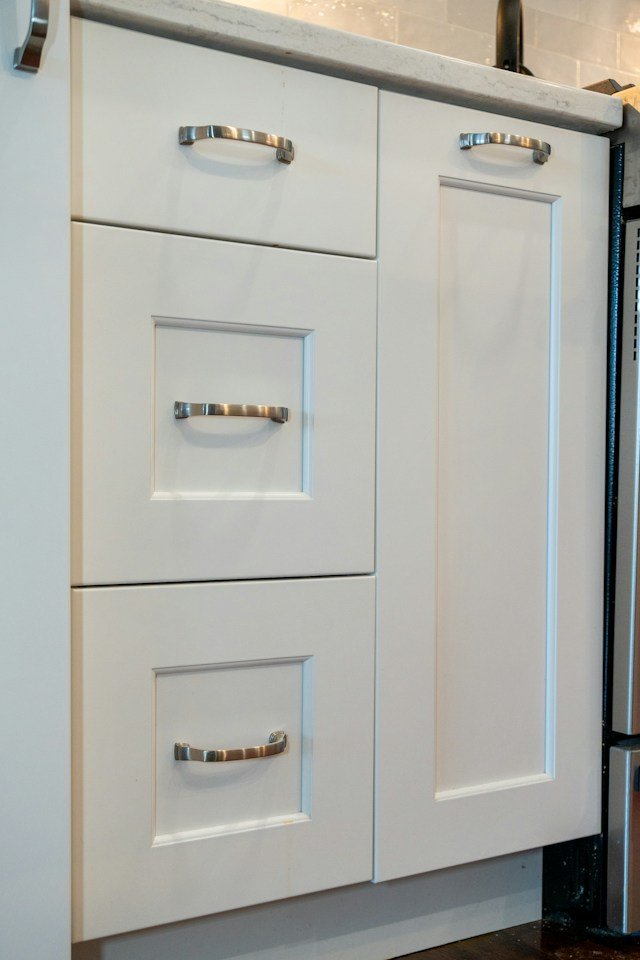
Kitchen cabinets naturally accumulate signs of everyday life.
You might notice:
- Scratches around handles
- Faded finish near windows
- Grease buildup
- Stains
- Peeling finish
- Discoloration
- Old-fashioned wood tones
- Areas where repeated cleaning has worn the surface
Some minor problems can be addressed through cleaning, repair, painting, or refinishing.
But when the overall appearance has become dated and you want a more substantial transformation, refacing offers another option.
Refacing can change the visible material, color, door style, and hardware while preserving the underlying cabinet arrangement.
4. You Like Your Current Kitchen Layout
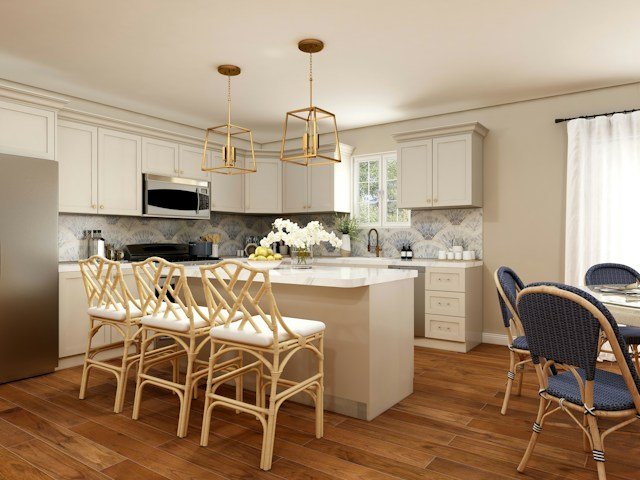
This is one of the biggest questions to ask yourself.
Do you actually dislike the layout, or do you simply dislike how the cabinets look?
If your refrigerator, sink, range, drawers, and storage areas are positioned conveniently, there may be little reason to completely redesign the cabinetry.
Refacing is generally better suited to kitchens where the existing layout already works. Replacement becomes more relevant when you want to move cabinets, change the configuration, increase storage, or introduce new features that the current arrangement cannot easily accommodate.
Before choosing replacement, ask:
“If these cabinets looked brand new, would I still want to change where they are?”
If the answer is no, refacing deserves serious consideration.
5. Your Cabinets Are Functional but Look Outdated
A kitchen can function perfectly while looking like it belongs to another decade.
Maybe the cabinets have dark wood doors, outdated handles, or a style that no longer matches your home.
That does not necessarily mean the cabinet boxes have reached the end of their useful life.
A kitchen cabinet makeover can include:
- New doors
- New drawer fronts
- Updated veneer
- New handles
- New hinges
- Modern colors
- Improved interior accessories
Changing several of these elements together can produce a much larger visual improvement than replacing one small component at a time.
6. You Want a Different Cabinet Style
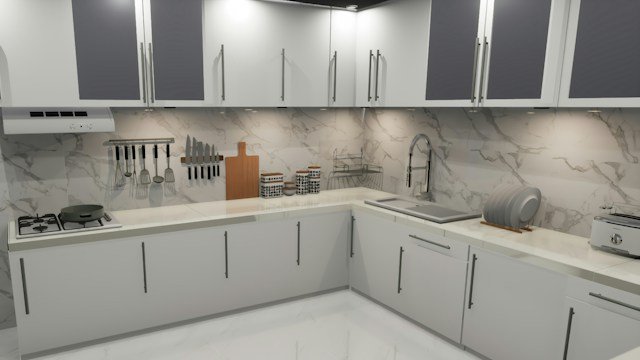
Sometimes the problem is not damage at all.
You may simply have changed your taste.
For example, your kitchen might have traditional raised-panel doors, but you now prefer a cleaner contemporary appearance.
Instead of removing every cabinet box, you may be able to keep the existing framework and install a new door style.
Modern refacing projects can use different door designs, finishes, veneers, and hardware to create a substantially different appearance.
This is one reason homeowners often consider refacing when they want a visible style change without undertaking a complete kitchen renovation.
7. The Hardware Is Making the Kitchen Look Older
Do not underestimate cabinet hardware.
Old knobs, worn handles, loose hinges, and outdated drawer slides can make otherwise decent cabinets feel tired.
Hardware is also one of the easier parts of a cabinet makeover to change.
Depending on the condition of the cabinets, you could combine refacing with:
- New cabinet pulls
- New knobs
- Soft-close hinges
- Improved drawer slides
- Full-extension slides
- Interior organizers
This can improve both appearance and everyday functionality.
This Old House notes that hardware upgrades, including improved drawer slides, can be incorporated into a cabinet-refacing project.
8. You Have Enough Storage
Storage is another important test.
Imagine that your current kitchen suddenly had beautiful new doors and a modern finish.
Would you still complain about not having enough storage?
If the answer is yes, refacing alone may not solve your problem.
Aesthetic improvements cannot create a completely different cabinet layout.
If you need:
- More drawers
- Larger cabinets
- Pantry storage
- Pull-out shelves
- Additional cabinets
- Better corner storage
- Specialized appliance storage
then you may need a more extensive remodeling project.
If your existing storage is adequate, however, keeping the current cabinet boxes may make more sense.
9. You Want a Kitchen Makeover Without a Full Cabinet Tear-Out
Replacing kitchen cabinets can involve removing the existing cabinetry, preparing the space, installing new boxes, and making adjustments around countertops, plumbing, electrical work, and appliances.
Refacing is generally less disruptive because the main cabinet structures stay in place.
This Old House describes refacing as a way to update the appearance of a kitchen while avoiding the disruption associated with full cabinet replacement. It also notes that a typical refacing project can take several days, depending on the kitchen and project complexity.
The exact timeline will depend on the number of cabinets, materials, customization, repairs, and installation method.
10. Your Cabinet Interiors Are in Good Shape
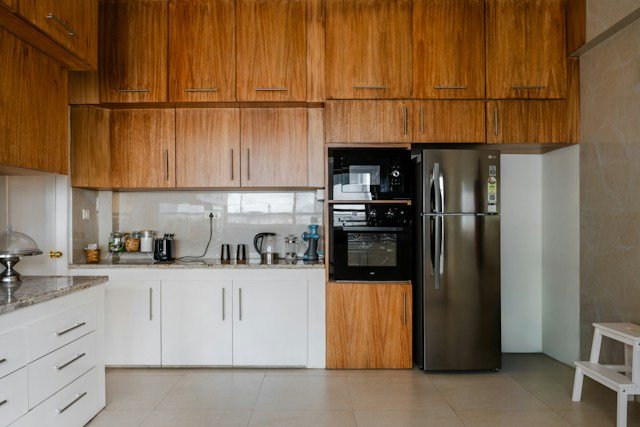
Open the doors and inspect the inside.
The exterior can sometimes hide problems.
Check:
- Shelves
- Bottom panels
- Back panels
- Side panels
- Drawer boxes
- Shelf supports
- Hinges
- Interior corners
If the interiors are clean and structurally sound, that is another positive sign for refacing.
If several interiors show water damage, swelling, cracking, or structural deterioration, ask a professional whether refacing is still appropriate.
Refacing vs. Refinishing: What’s the Difference?
These terms are often confused.
Refinishing usually means changing or restoring the existing surface through processes such as sanding, staining, or painting.
Refacing generally involves keeping the cabinet boxes while replacing the visible doors and drawer fronts and applying new material to exposed cabinet surfaces.
A simple way to think about it is:
Refinishing = keep the existing visible surfaces and renew them.
Refacing = keep the cabinet structure but give the visible exterior a new face.
If your cabinet doors are still attractive but simply need a new color, refinishing may be enough.
If you dislike the door style and want a more dramatic transformation, refacing may be the better fit.
When Cabinet Replacement Makes More Sense
Not every kitchen is a candidate for refacing.
Consider replacement if you find serious problems such as:
Severe Water Damage
Swollen or deteriorated cabinet material can be difficult or impossible to fix through a cosmetic treatment.
Warped Cabinet Boxes
If the boxes are badly warped or no longer square, new exterior materials will not correct the fundamental problem.
Mold or Serious Moisture Problems
Persistent moisture problems should be addressed before deciding on cosmetic improvements.
Poor Kitchen Layout
If you constantly struggle with the location of cabinets, appliances, work areas, or storage, a new cabinet layout may provide a more useful solution.
Insufficient Storage
If your household has outgrown the existing storage, simply changing the doors will not create additional capacity.
Major Structural Damage
Cracked, unstable, or deteriorated cabinetry should be professionally evaluated before investing in refacing.
Angi similarly identifies serious damage, mold or mildew, crooked cabinets, and functional problems as situations where replacement may be more appropriate.
A Simple Cabinet Inspection Checklist
Before contacting a contractor, walk through your kitchen with this checklist.
Cabinet Box
- Boxes feel solid
- No major water damage
- No serious warping
- No significant mold or mildew
- Cabinets are securely attached
Doors and Drawers
- Doors open and close
- Drawer boxes are usable
- Hardware can be replaced
- Damage is mostly cosmetic
- You are happy with the general layout
Kitchen Layout
- Storage is sufficient
- Work areas are convenient
- Appliance positions work
- You do not need major structural changes
Appearance
- Finish looks outdated
- Doors look worn
- Hardware needs updating
- You want a new style or color
If most of the boxes and functional elements pass the checklist while the appearance is the main issue, refacing may be worth investigating.
How Much Does Cabinet Refacing Cost?
There is no single price that applies to every kitchen.
Project cost depends on cabinet size, kitchen layout, materials, number of doors and drawers, labor rates, finish selections, hardware, repairs, and additional upgrades.
For example, Angi’s August 2026 data places professional cabinet resurfacing at roughly $4,483 to $10,590, with a national average of about $7,234 based on verified projects.
Other current estimates vary, so homeowners should treat online numbers as planning ranges rather than guaranteed quotes.
The best approach is to get detailed estimates based on your actual kitchen.
Ask each contractor to separate:
- Labor
- Doors
- Drawer fronts
- Veneer
- Hardware
- Repairs
- Finishing
- Optional upgrades
That makes it easier to compare quotes accurately.
What to Ask a Cabinet Refacing Contractor
Before signing a contract, ask several practical questions.
1. Are My Existing Cabinet Boxes Suitable for Refacing?
A reputable professional should inspect the cabinets rather than simply assuming they are suitable.
2. What Material Will You Use?
Ask whether the project will use wood veneer, laminate, thermofoil, or another material.
3. Are New Doors Included?
Clarify whether the quote includes new doors and drawer fronts.
4. What About Hardware?
Find out whether hinges, handles, knobs, and drawer slides are included or priced separately.
5. What Repairs Are Needed First?
A damaged surface may require preparation before new material can be installed.
6. How Long Will the Project Take?
Get an estimated start and completion date.
7. Is There a Workmanship Warranty?
Ask what is covered and for how long.
8. Can I See Previous Projects?
Photos of completed kitchens can help you judge the quality of the contractor’s work.
Common Mistakes to Avoid
Refacing Damaged Cabinets
Do not cover serious structural problems simply because the new exterior looks attractive.
Choosing Materials Only by Appearance
The cheapest or most attractive material is not necessarily the right choice for a busy kitchen.
Forgetting About Hardware
New doors with old, worn hardware can make the makeover feel incomplete.
Ignoring Measurements
Precise measurements are important because doors, drawer fronts, and veneers need to fit correctly.
Spending Before Comparing Options
Get multiple detailed quotes when possible, especially if the project is large.
Assuming Refacing Fixes Layout Problems
A new exterior cannot automatically solve poor storage or an inefficient kitchen design.
Frequently Asked Questions
How do I know when to reface kitchen cabinets?
Consider refacing when the cabinet boxes are structurally sound, the kitchen layout works well, and the main problems are outdated doors, finishes, colors, or hardware.
Is refacing better than replacing kitchen cabinets?
They solve different problems. Refacing is designed to update existing cabinetry, while replacement allows you to change the cabinet layout, storage, and overall configuration.
Can damaged cabinets be refaced?
Minor cosmetic damage may be repairable before refacing. Serious water damage, warping, structural weakness, or deterioration may make replacement more appropriate.
Can I change the color when refacing?
Yes. Refacing can involve different finishes and materials, allowing a significant change in the kitchen’s appearance.
How long does cabinet refacing take?
The timeline depends on kitchen size, materials, preparation, customization, and installation. This Old House notes that many refacing projects can be completed within several days, although more complex projects can take longer.
Is cabinet refacing only about appearance?
Mostly, but it can also be an opportunity to update hardware and certain functional components. However, it does not provide the same design flexibility as completely replacing the cabinetry.
Final Thoughts
Knowing when to reface kitchen cabinets comes down to understanding the difference between cosmetic wear and structural problems.
If your cabinet boxes are strong, your kitchen layout works, your storage is sufficient, and the main issue is that the cabinets look old, refacing may provide the transformation you want without replacing everything.
On the other hand, serious water damage, warped boxes, poor storage, an inefficient layout, or major structural problems may point toward replacement instead.
Before making a decision, inspect the cabinets from the inside and outside. Think about how you use your kitchen every day, not just how it looks in a photograph.
A good cabinet makeover should improve both the appearance of the room and your experience of using it.
When the existing cabinet structure is still doing its job, giving it a new exterior may be all your kitchen needs.

1 Comment
[…] hardware, poor lighting, dated backsplashes, cluttered countertops, and aging fixtures can make a perfectly functional kitchen feel like it belongs to another […]