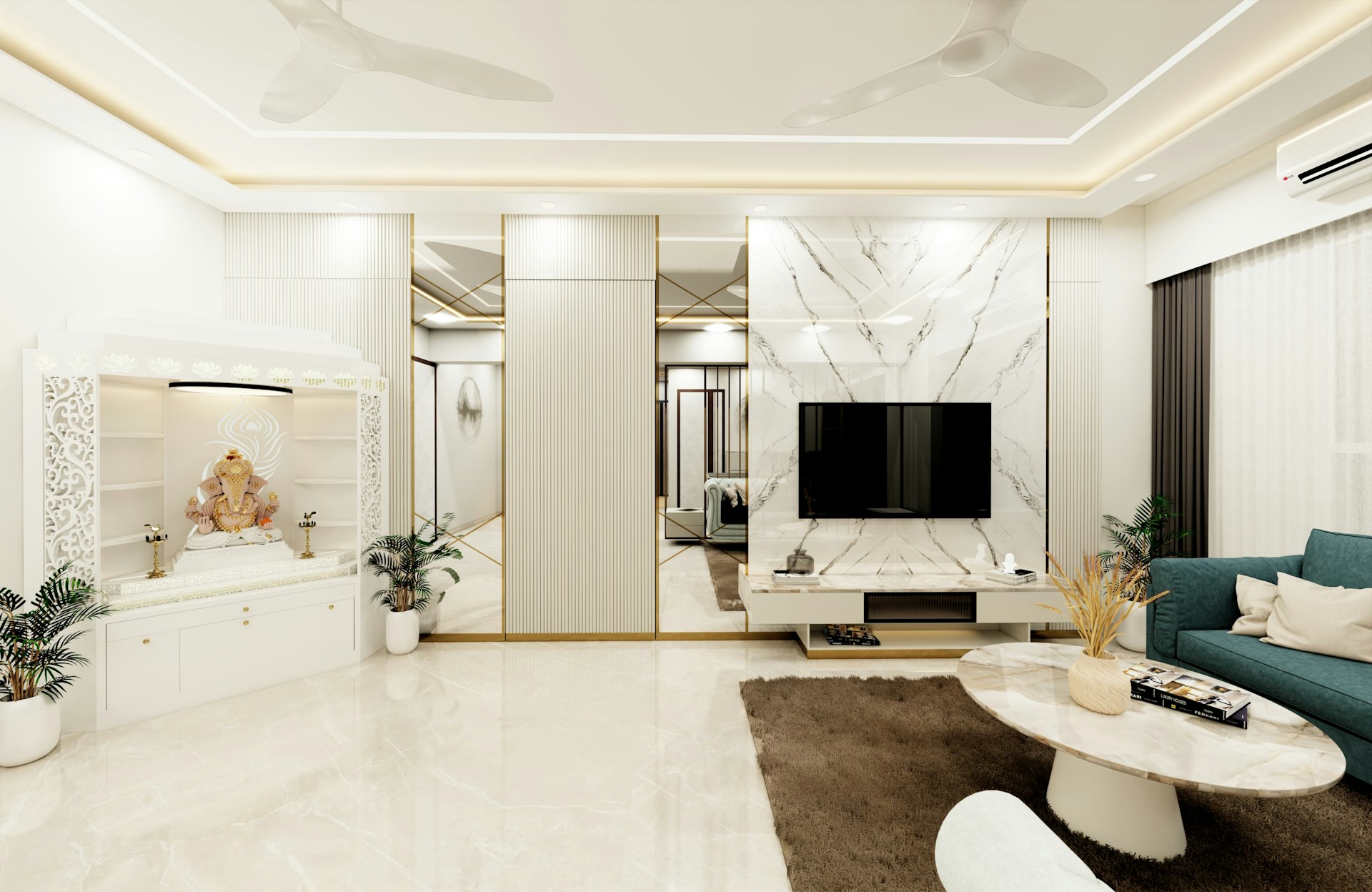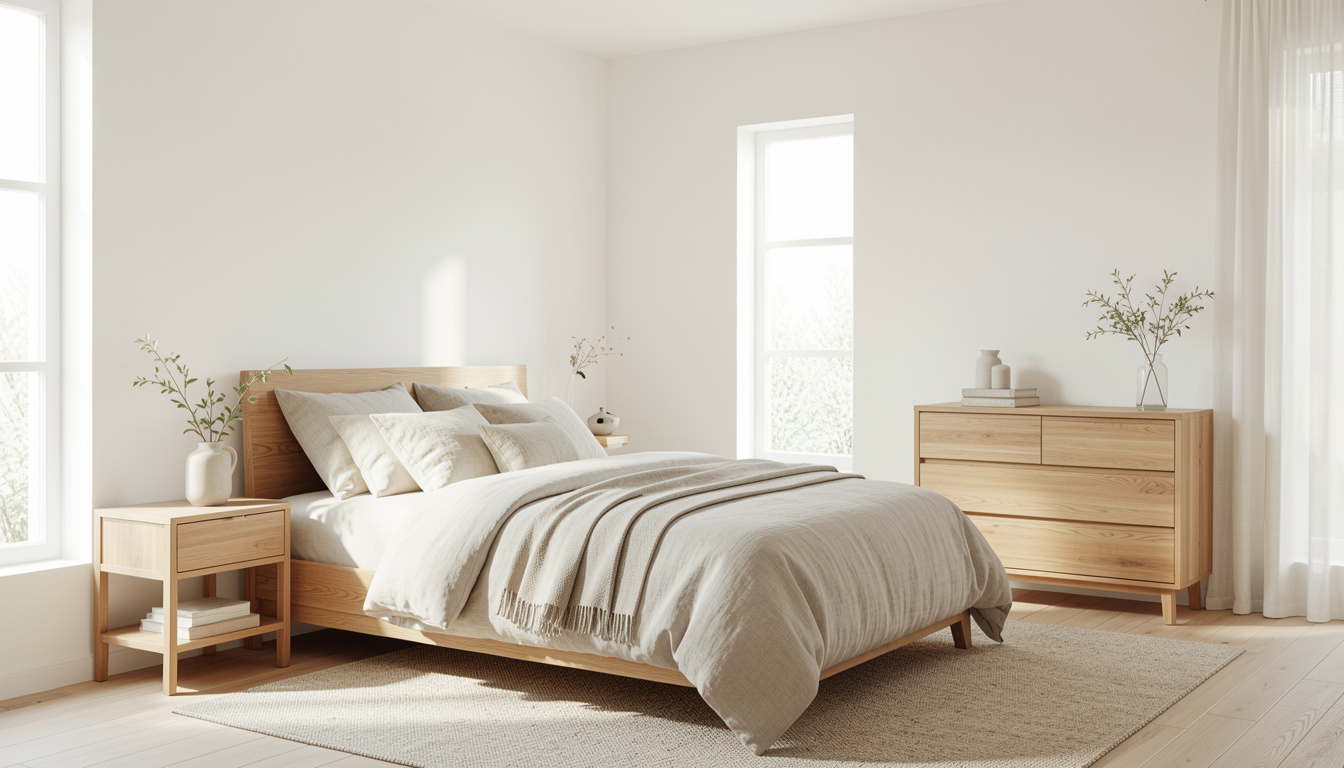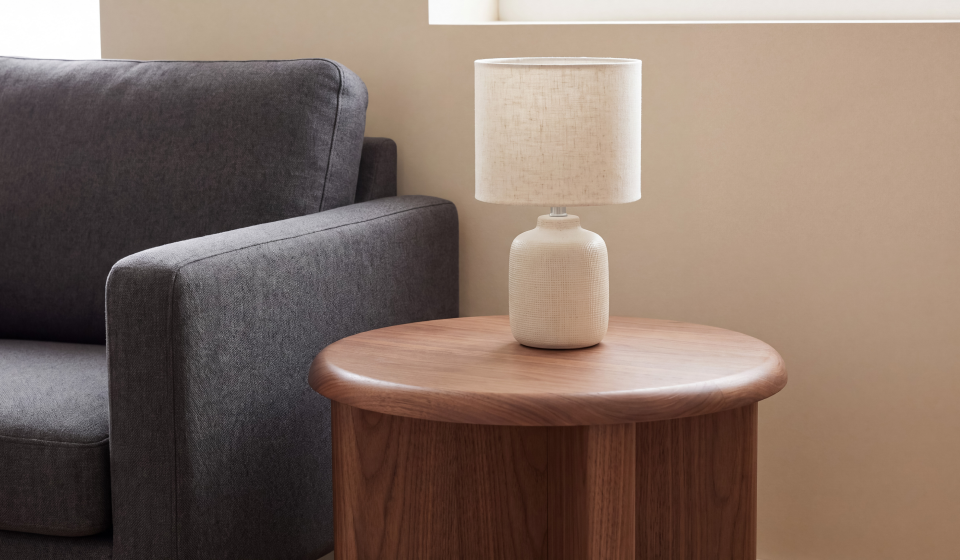
A side table can add useful surface space to a living room without taking up much room. Placed beside a sofa, armchair or lounge, it can provide a convenient spot for a lamp, book, drink or decorative piece. When searching for the right side table in Perth, consider the available space, the height of your seating and the style of the surrounding furniture so the piece works well within the room.
Why a Side Table Matters in a Living Room
A well-positioned side table gives seating areas a convenient surface within easy reach. It can also help define the arrangement of furniture and provide a place for lighting, accessories and frequently used items.
The table should suit the scale of the surrounding furniture rather than competing with it. A compact design can work well in a smaller living room, while a wider table may be more suitable beside a large sofa. Storage can also be useful, particularly when drawers, shelves or cupboards are needed to keep smaller belongings organised.
How to Choose the Right Side Table Size
The dimensions of a side table should relate to the available floor space and the furniture surrounding it. A table that is too large can make a room feel crowded, while one that is too small may not provide enough usable surface.
Measure the Available Floor Space
Start by measuring the area where the table will be placed. Check both the width and depth available, including the space needed to access seating. Taking measurements before shopping makes it easier to avoid a table that restricts the room.
Consider the Width and Depth
Think about what the table needs to hold. A lamp and a few accessories may only require a compact surface, while books, drinks and other everyday items may call for more room. The depth should also allow people to use the table without obstructing the seating area.
Choose a Height That Works With Your Seating
Ideally, the tabletop should be close to the height of the sofa or chair arm. A considerably lower table can be inconvenient when reaching for items, while a much taller design may look out of proportion.
Leave Enough Room for Movement
Furniture should allow people to move around the living room without bumping into corners or edges. Leave enough clearance between the side table and other furniture so pathways remain practical.
Side Table Placement for Different Living Room Layouts
The best position depends on the seating area’s arrangement and purpose.
- Next to a Sofa: Place the table within easy reach of the sofa arm. With larger seating such as corner lounges, make sure it remains accessible without affecting movement around the room.
- With an Armchair: Choose a smaller table that provides enough surface space for everyday items without making the seating area feel crowded or visually unbalanced.
- Between Two Seating Pieces: Use the table as a shared surface between two chairs or seating areas, keeping it within comfortable reach from both sides.
- In a Living Room Corner: A narrow or compact table can make use of unused space while providing a practical place for a lamp or decorative piece.
Which Side Table Shape Is Best for Your Space?
Shape affects both the appearance and practicality of the table. Consider the furniture layout, available floor area and amount of traffic around it.
Round Side Tables for Softer Arrangements
Round tables have no sharp corners, making them useful where people regularly walk around the furniture. They can also work well with curved sofas and relaxed seating arrangements.
Square Side Tables for Structured Interiors
Square designs offer a balanced shape that suits clean-lined furniture. They are particularly useful beside sofas with straight arms or in neatly arranged seating areas.
Rectangular Side Tables for Larger Seating
A rectangular table provides a longer surface and can work well beside a larger sofa. It offers room for a lamp and several smaller items without requiring excessive depth.
Nesting Tables for Flexible Living Rooms
Nesting tables are made up of smaller tables that can be grouped or separated when required. They are a practical option for homes where the amount of available surface changes depending on the occasion.
How to Choose the Best Side Table Material
Material affects the table’s appearance, maintenance and relationship with other furniture.
Timber Side Tables
Timber brings a natural character to a living room and is available in various finishes, colours and designs. It can complement both traditional and contemporary furniture.
Marble and Stone Side Tables
Marble and stone create a solid, substantial look. These materials can work particularly well where the living room already features stone, ceramic or other hard surfaces.
Metal Side Tables
Metal tables are available in finishes such as black, brass and stainless steel. They can suit modern interiors and furniture with clean, simple lines.
Glass Side Tables
Glass can help maintain an open feel because the transparent surface does not visually dominate the room. It can be a suitable option for compact spaces.
Conclusion
Choosing the right side table involves more than selecting a style that looks appealing. Size, height, placement, shape and material all affect how well the table works within a living room. By measuring the available space and considering the furniture already in place, it becomes easier to find a design that provides useful surface area while complementing the overall setting.
Frequently Asked Questions
Should a side table be higher or lower than the sofa arm?
A side table is generally best when its tabletop is close to the height of the sofa arm. This makes drinks, books and other items easier to reach.
How much space should be left around a side table?
Enough clearance should be left for comfortable movement and access to the seating. The exact amount depends on the room layout and surrounding furniture.
Can a side table be used beside an armchair?
Yes. A compact side table works well beside an armchair, providing a convenient surface for a lamp, drink, book or decorative item.
What side table shape is best for a small living room?
Round and compact nesting tables can work well in smaller living rooms. Their proportions can provide useful surface area without taking up excessive floor space.
What material is best for a living room side table?
The best material depends on the room’s furniture, style and maintenance needs. Timber, stone, metal and glass designs can all work well when their finish and proportions suit the setting.