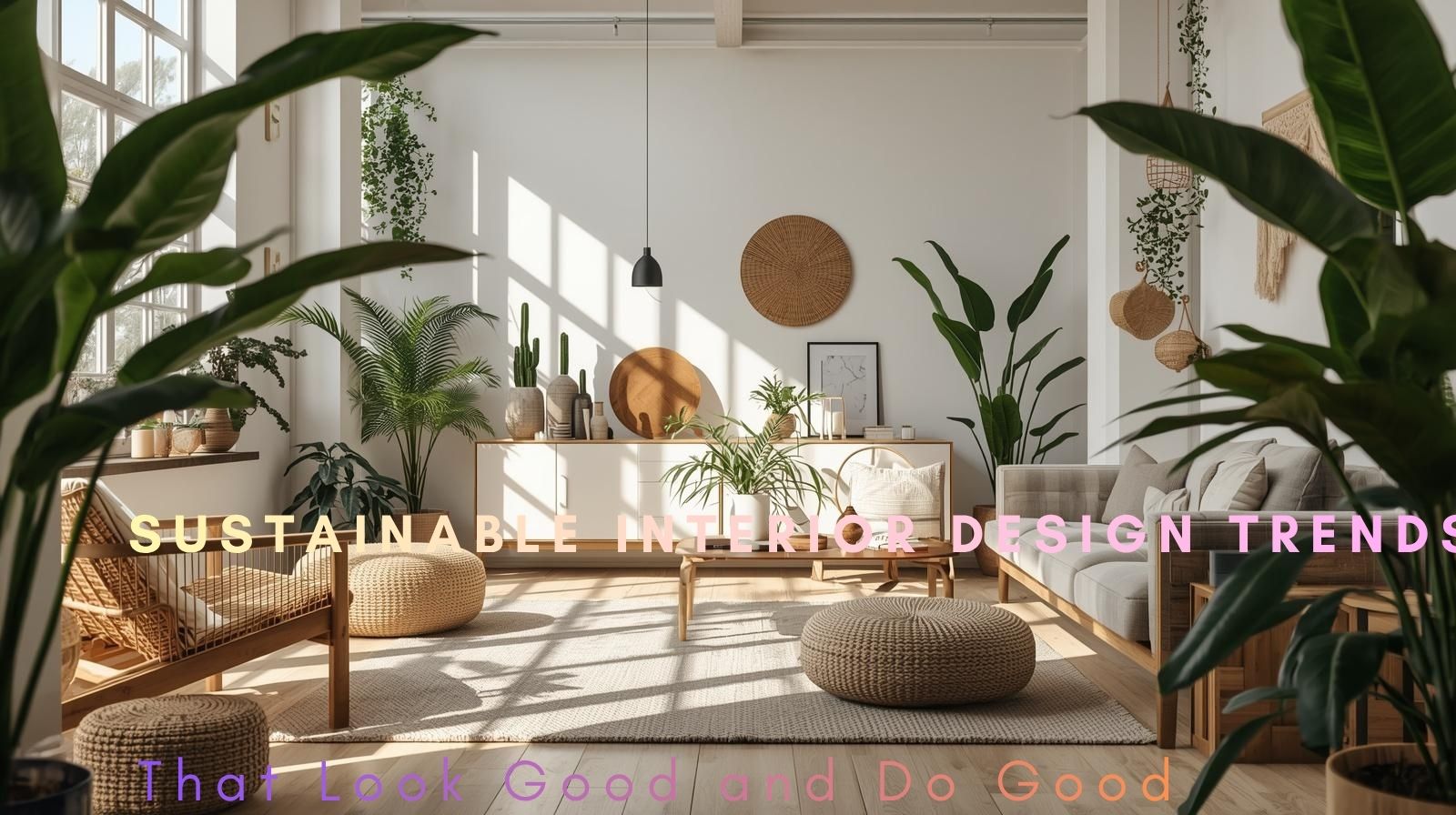
Why Sustainable Interior Design Is No Longer a Compromise
For much of its history, sustainable interior design carried an unfair reputation a well-intentioned but aesthetically limited approach that forced designers to trade beauty for ethics. A generation of talented designers, innovative manufacturers, and increasingly discerning consumers has thoroughly dismantled that perception, demonstrating that the most beautiful, characterful, and enduring interiors are often precisely those that prioritise natural materials, responsible sourcing, durability over disposability, and the honest expression of material quality.
The convergence of aesthetic sophistication and environmental responsibility in contemporary sustainable interior design is not accidental. It reflects a deeper understanding that the values underlying good sustainability practice longevity, material integrity, craftsmanship, local provenance, and respect for the natural world are the same values that produce genuinely beautiful, timeless interiors. A piece of furniture that a skilled craftsperson finishes from sustainably sourced solid timber built to last a lifetime is both more environmentally responsible and more beautiful than a flat-pack alternative that manufacturers press from formaldehyde-laden particle board and expect you to replace within five years.
Reclaimed and Recycled Materials: Character, History, and Low Environmental Impact
Reclaimed materials timber salvaged from demolished buildings, recycled brick, repurposed metal, and recovered stone represent one of the most compelling and characterful choices available in sustainable interior design. The appeal of reclaimed materials is not merely environmental, though the benefit of avoiding new resource extraction and manufacturing emissions is significant. It is primarily aesthetic: reclaimed materials carry the patina, history, and irreplaceable character of age and use that no newly manufactured product can replicate.
Reclaimed hardwood timber is perhaps the most coveted of all sustainable interior materials. Used as flooring, feature wall panelling, kitchen benchtops, furniture, or architectural beams, reclaimed timber brings a depth of colour, grain variation, and aged beauty that new timber, however high in quality, simply does not possess. Recycled brick adds warmth, texture, and an artisan quality to feature walls, kitchen splashbacks, and fireplace surrounds. Repurposed industrial metal steel, copper, and brass salvaged from decommissioned factories or older buildings is being used with tremendous design intelligence in pendant lighting, shelving brackets, furniture frames, and decorative objects that celebrate the material’s past while giving it purposeful new life.
Natural, Non-Toxic Materials: Healthy for Homes and the Planet

The sustainable interior design movement has brought significant and overdue attention to the chemical and environmental impact of the materials used inside our homes. Many conventional building and decorating materials synthetic carpets, VOC-laden paints, formaldehyde-emitting MDF and particle board, polyurethane-coated timber floors, PVC flooring and window frames off-gas harmful compounds into the indoor air environment for months or years after installation, contributing to poor indoor air quality and associated health impacts.
Natural material alternatives address both the health and sustainability dimensions simultaneously. Natural fibre flooring in wool, sisal, jute, or coir is free from synthetic chemicals, biodegradable at end of life, and provides excellent acoustic insulation and tactile comfort. Low-VOC and zero-VOC paint formulations are now available from virtually every major paint manufacturer at comparable prices to conventional alternatives, eliminating the indoor air quality compromise without any sacrifice in colour range or application quality. Natural clay and lime plaster wall finishes are experiencing a significant renaissance in sustainable interior design for their extraordinary textural beauty, breathability, humidity-regulating properties, and complete freedom from synthetic additives.
Biophilic Design: Bringing Nature Into the Home as a Design Philosophy

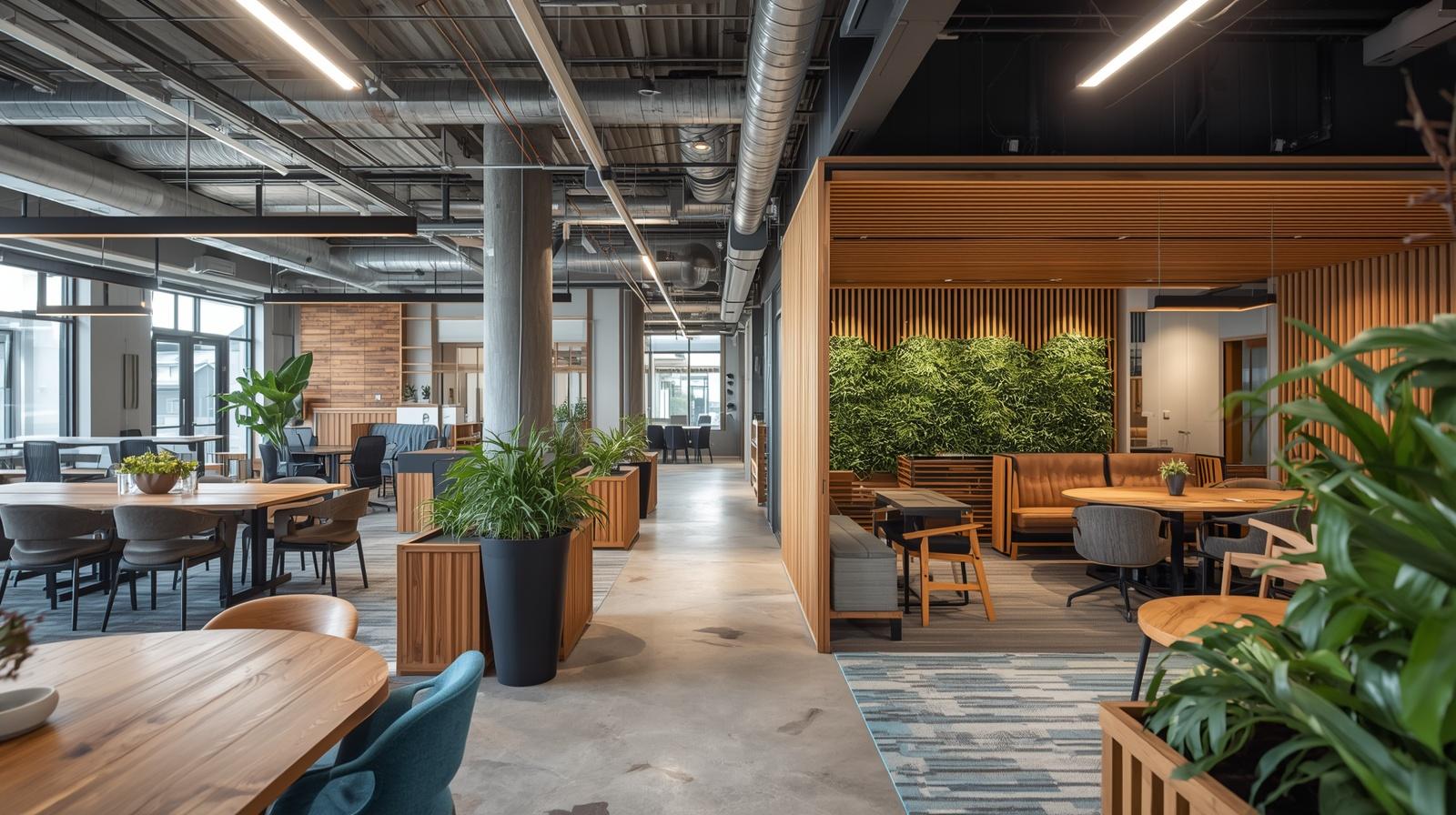
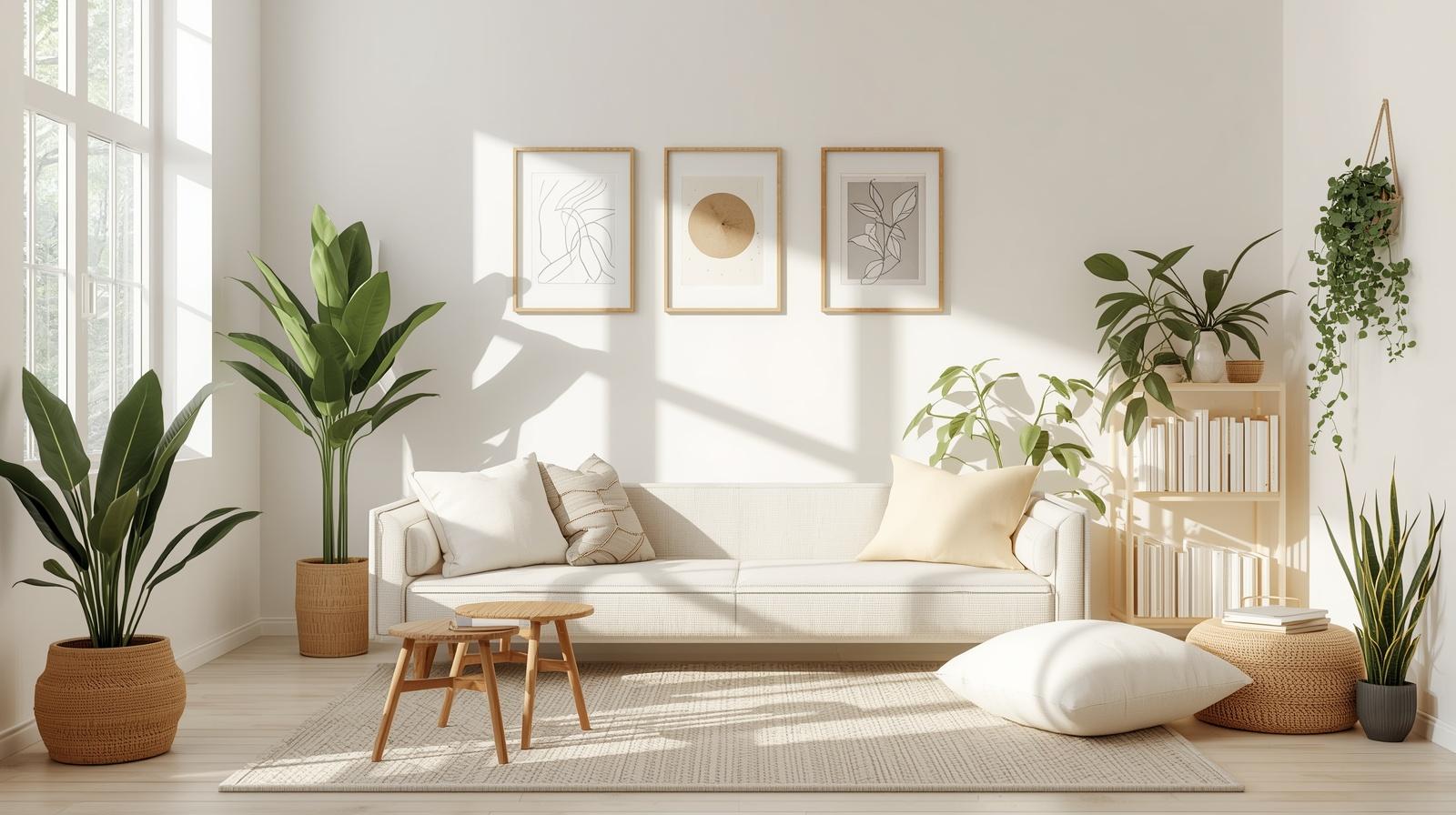
Biophilic design interior design that intentionally incorporates elements of the natural world to support human health, wellbeing, and cognitive function sits at the intersection of sustainability, environmental psychology, and aesthetic beauty. The term derives from the biophilia hypothesis proposed by biologist E.O. Wilson, which suggests that humans have an innate affinity for other living systems and natural environments. Applied to interior design, biophilia goes far beyond simply adding houseplants (though it certainly includes them) to encompass the use of natural materials and patterns, natural light and ventilation, views to outdoor greenery, water features, and organic forms and colours throughout the interior environment.
The evidence supporting the benefits of biophilic design is compelling and growing: biophilic workplaces have been shown to improve employee productivity, reduce absenteeism, and lower reported stress levels. Biophilic hospital environments accelerate patient recovery. Biophilic homes are consistently rated as more comfortable, calming, and desirable by their occupants. For homeowners and designers committed to sustainable interior design, biophilic principles provide a framework that is simultaneously good for people and good for the environment, creating interiors that honour and celebrate the natural world rather than treating it as an irrelevant backdrop to human activity.
Sustainable Furniture: Choosing Pieces That Last a Lifetime

The furniture industry has a significant environmental footprint, driven by the consumption of timber and other raw materials, the energy and chemicals used in manufacturing processes, and the volume of furniture that reaches landfill at the end of its useful life. Fast furniture cheap, disposable pieces designed to be replaced frequently is among the most environmentally damaging categories of consumer goods. The sustainable alternative is to invest in fewer, better pieces from manufacturers and craftspeople who prioritise responsibly sourced materials, non-toxic finishes, durable construction, and repairability.
When evaluating furniture for sustainability, look for certifications including FSC (Forest Stewardship Council) certification for timber products, GECA (Good Environmental Choice Australia) for Australian products, and Greenguard certification for low chemical emissions. Second-hand and vintage furniture is inherently sustainable purchasing a well-made, solid timber mid-century piece from an op shop or antique dealer extends its useful life, reduces demand for new production, and typically delivers superior quality and character compared to new alternatives at the same or lower cost. Reupholstering beloved but worn furniture with natural, durable fabrics rather than replacing it is another expression of the sustainable interior design philosophy that prioritises longevity over disposability.
Sustainable Colour, Lighting, and Finishing Choices for an Eco-Conscious Interior

The finishes, paint colours, and lighting choices in a sustainable interior reflect the same commitment to environmental responsibility and material quality that applies to furniture and structural elements. Low-VOC and natural paint products including clay paints, lime-wash finishes, and plant-based pigment paints are increasingly available through specialist paint suppliers and offer extraordinary, depth-rich colour effects that factory-manufactured synthetic paints cannot replicate.
Lighting is one of the most significant determinants of a home’s ongoing energy footprint, making LED lighting throughout the home a non-negotiable baseline of sustainable interior design. Beyond simply switching to LED technology, sustainable lighting design prioritises maximising natural daylight through thoughtful window placement, reflective light coloured surfaces, and minimal window coverings reducing the hours of artificial light required each day. Natural material light fittings in rattan, bamboo, hand-thrown ceramics, or hand-blown glass add beauty and artisanal quality to the home while avoiding the environmental cost of metal mining and synthetic manufacturing. The cumulative effect of these choices natural materials, low-emission finishes, energy-efficient lighting, and biophilic design principles is an interior that is genuinely beautiful, deeply live able, and authentically aligned with the values of environmental responsibility that are increasingly central to how thoughtful Australians and Americans want to live.